Latest Updates

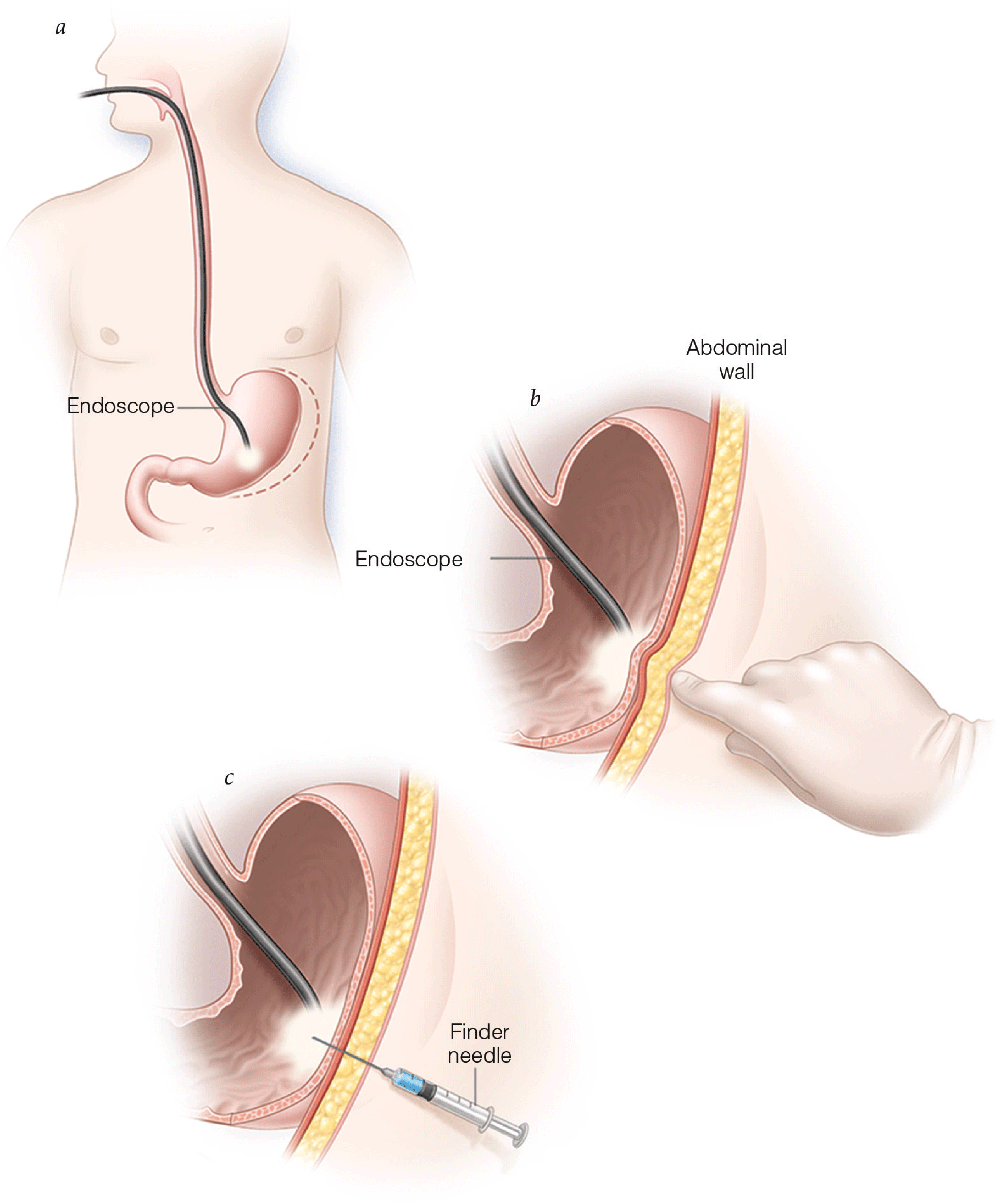
ENDOSCOPIC TECHNIQUES FOR OBTAINING ENTERAL ACCESS

    • DPEJ tubes should be considered when percutaneous endoscopic gastrostomy (PEG) tubes are not feasible or are contraindicated.
    • Postpyloric feeding (percutaneous gastrostomy with a jejunal extension or direct percutaneous jejunostomy should be considered in severely ill patients (especially those with an APACHE II score over 20).
    • In patients with dementia, PEG tube placement does not enhance mortality, prevent aspiration pneumonia, improve nutritional status, or improve quality of life.
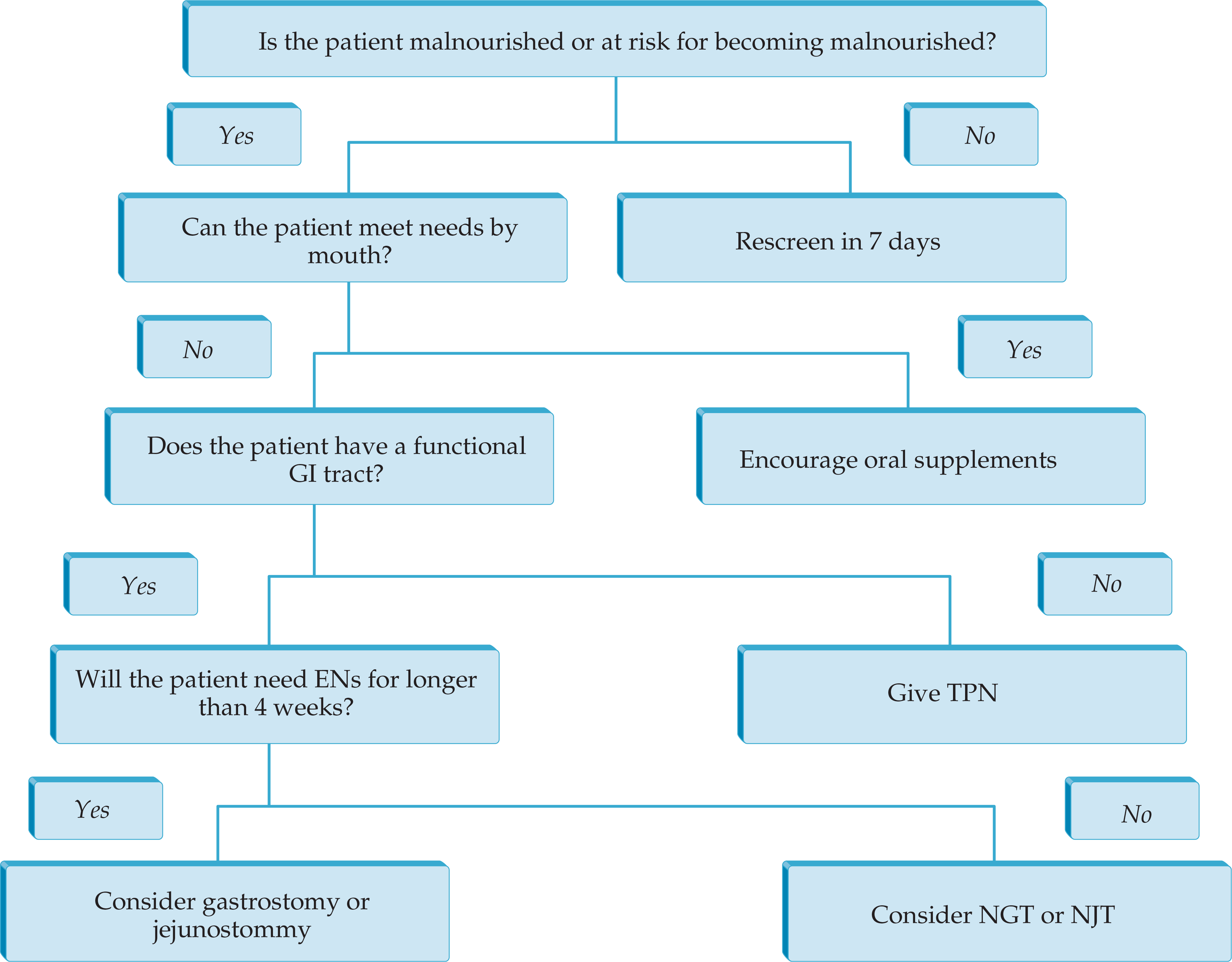

OVERVIEW OF ENTERAL NUTRITION

    • Immunomodulating formulas may not offer additional benefits to critically ill patients.
    • Special pulmonary formulas do not improve outcomes for patients with ARDS.
    • Gastric residuals are not a factor in assessing for enteral tolerance as they do not correlate with risk of aspiration and pneumonia.

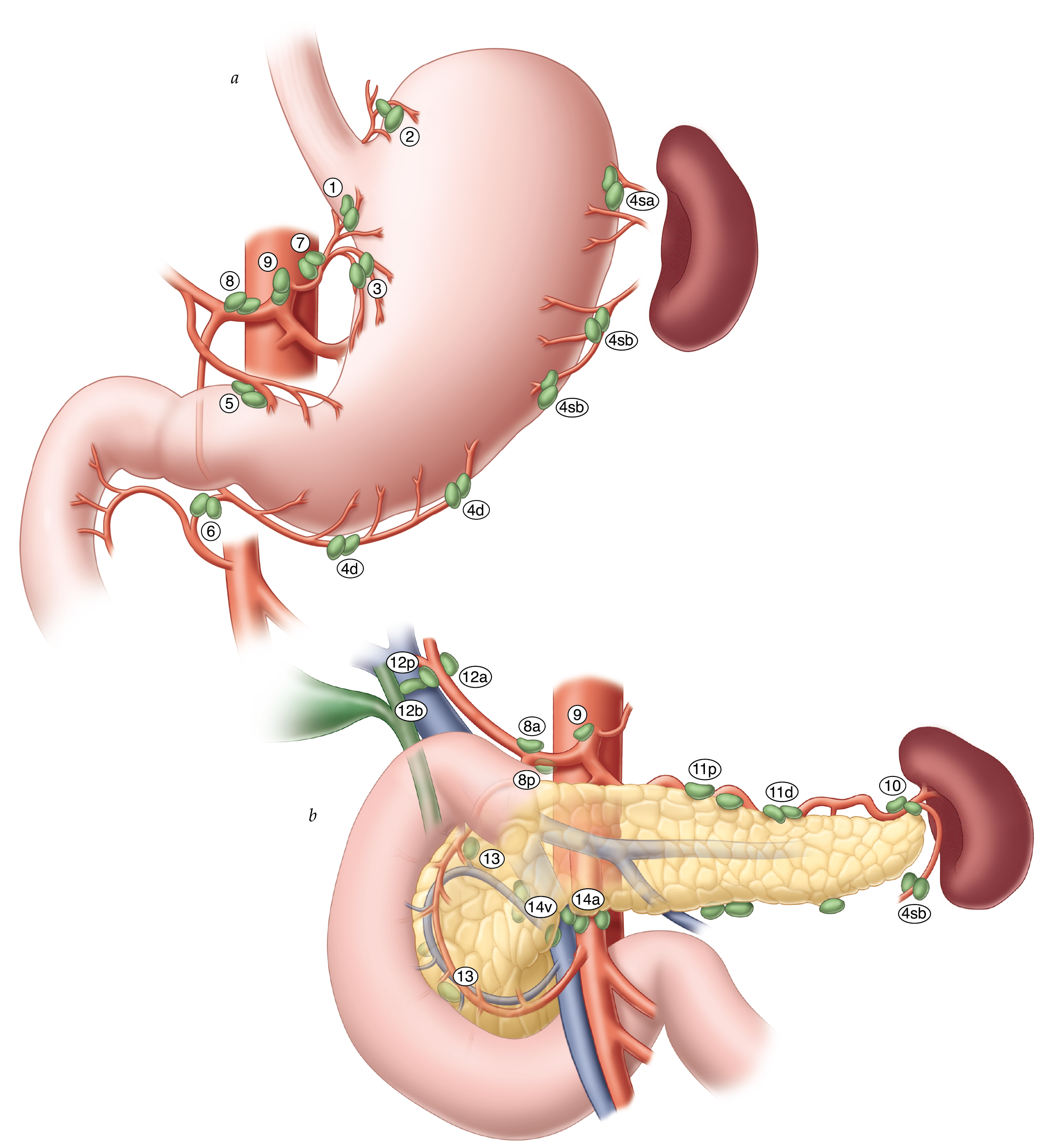
Extent of Gastrectomy and Lymphadenectomy for Gastric Adenocarcinoma

    • The eighth edition of the AJCC Cancer Staging Manual now includes prognostic information for clinical TNM staging and post–neoadjuvant therapy staging.
    • A D2 lymphadenectomy is frequently recommended as the nodal dissection of choice for locally advanced gastric adenocarcinoma.
    • Laparoscopy-assisted operations are associated with improved overall morbidity and comparable lymph node yield.

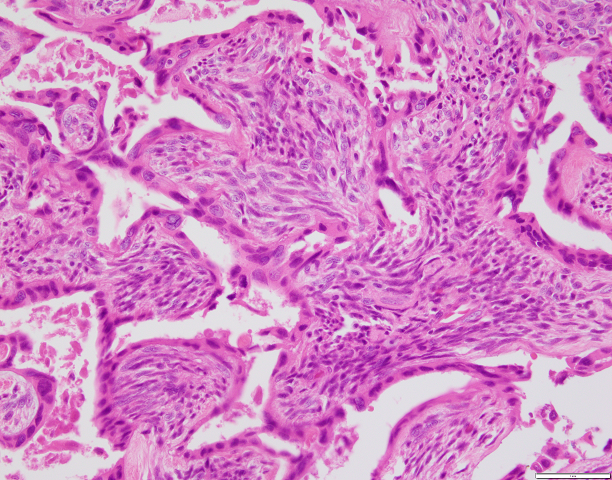
Pathologic Evaluation of Soft Tissue Sarcoma

    • Concepts of pathologic examination and grading
    • Important diagnostic criteria for each soft tissue sarcoma
    • Latest molecular diagnostic methods used in the diagnosis of sarcomas

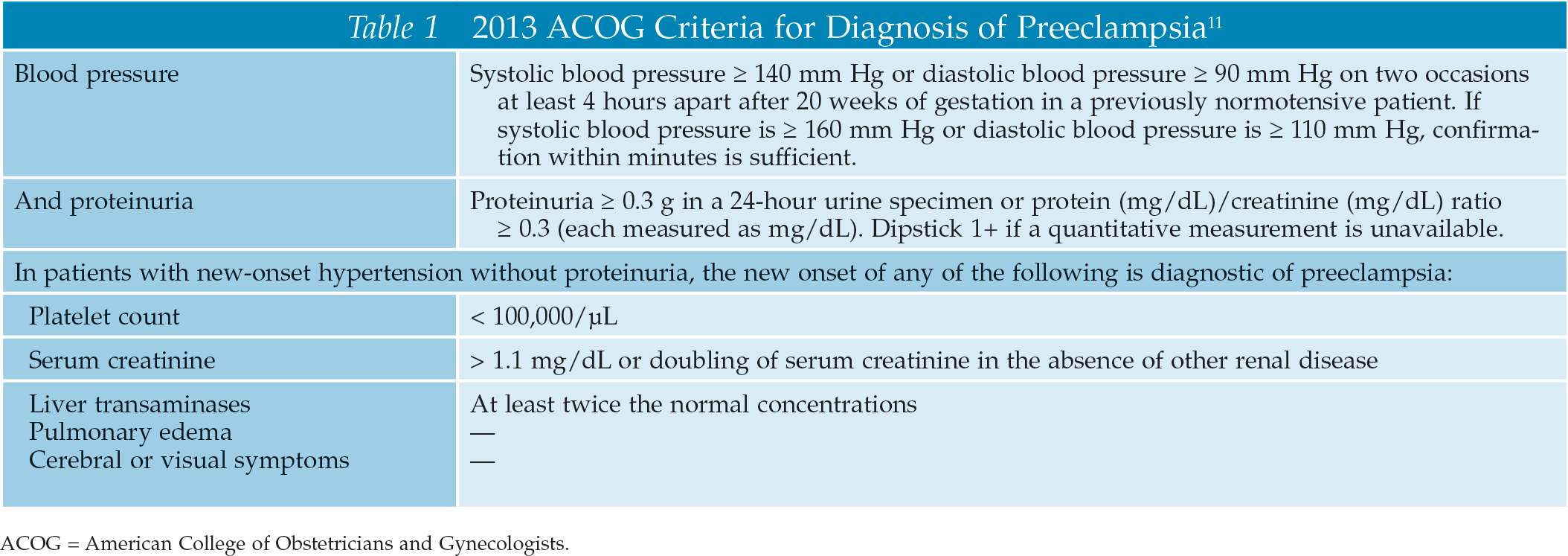
Nephrology: Hypertensive Disorders in Pregnancy

    • New diagnostic criteria for preeclampsia
    • Pathophysiology of preeclampsia
    • Role of serologic biomarkers for diagnosis of preeclampsia
    • Guidelines for target blood pressure in pregnancy

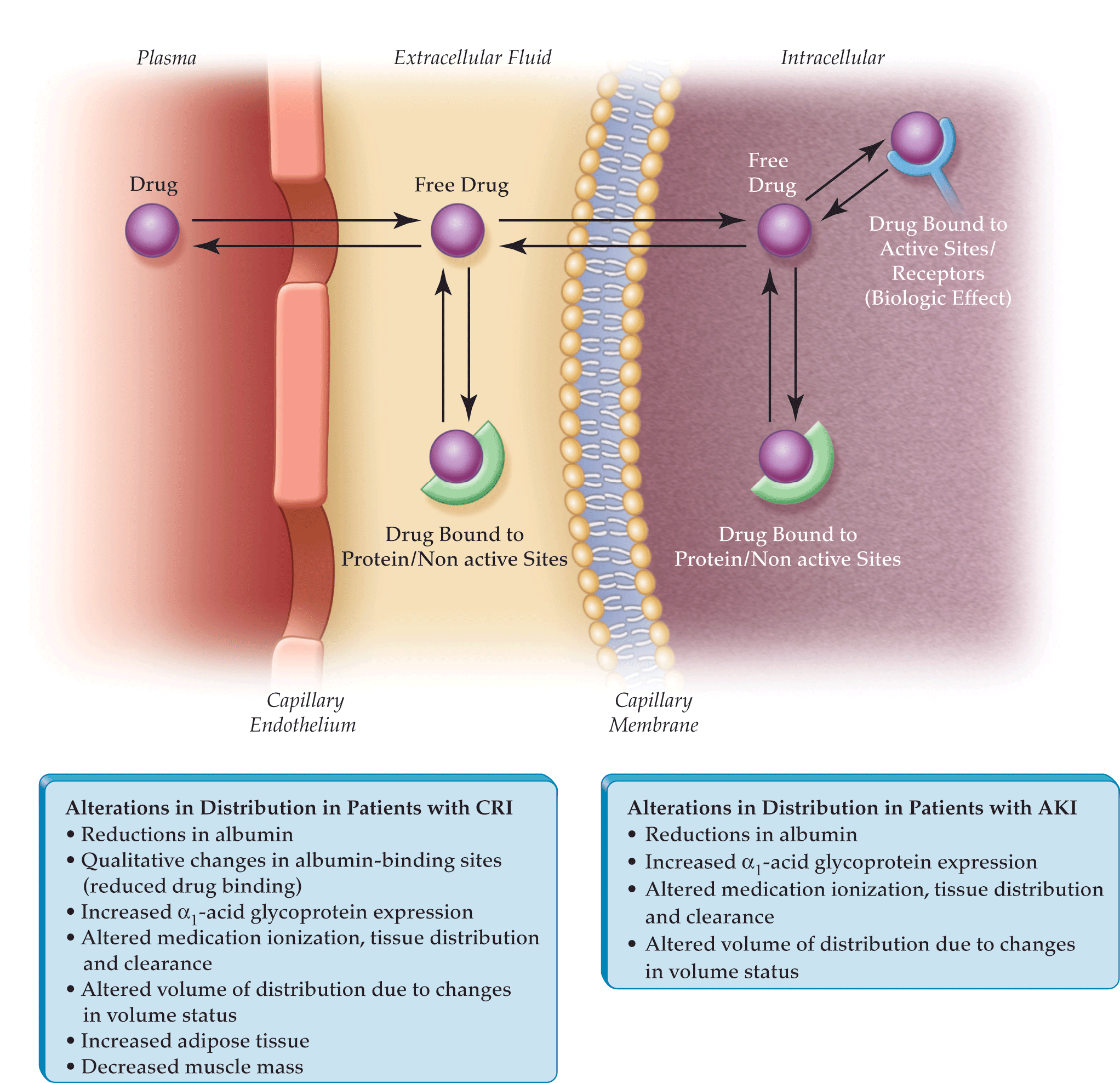
Nephrology: Drug Dosing in Acute Kidney Injury

    • Full review of all available literature on the impact of acute kidney injury (AKI) on drug pharmacokinetic parameters
    • Recommendations for drug dosing strategies in patients with AKI, including loading doses, maintenance therapy, and therapeutic drug monitoring
    • Evaluation of specific medications that require special attention in patients with AKI

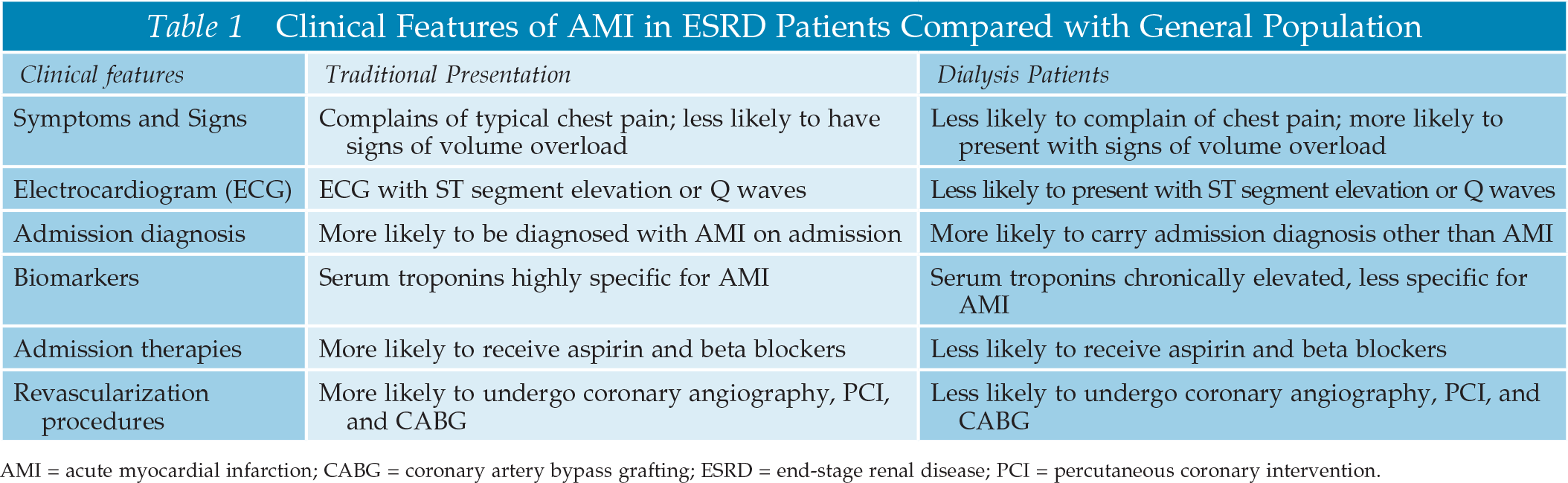
Nephrology: Management of Cardiovascular Disease in Dialysis Patients

    • Left ventricular hypertrophy is associated with cardiovascular outcomes, including sudden cardiac death. Efforts to mitigate left ventricular hypertrophy (blood pressure control, aggressive fluid management, and frequent hemodialysis) may improve outcomes.
    • Low potassium dialysate (< 2 mEq/L), low calcium dialysate (< 2.5 mEq/L), and high ultrafiltration rates (> 13 mL/kg/hr) have been associated with worse cardiovascular outcomes in hemodialysis patients.
    • End-stage renal disease (ESRD) patients with atrial fibrillation are at increased risk for both stroke and bleeding events. Routine anticoagulation is not recommended for stroke prophylaxis.
    • In two small randomized trials, use of spironolactone reduced cardiovascular events and left ventricular mass index compared with placebo in patients with ESRD.

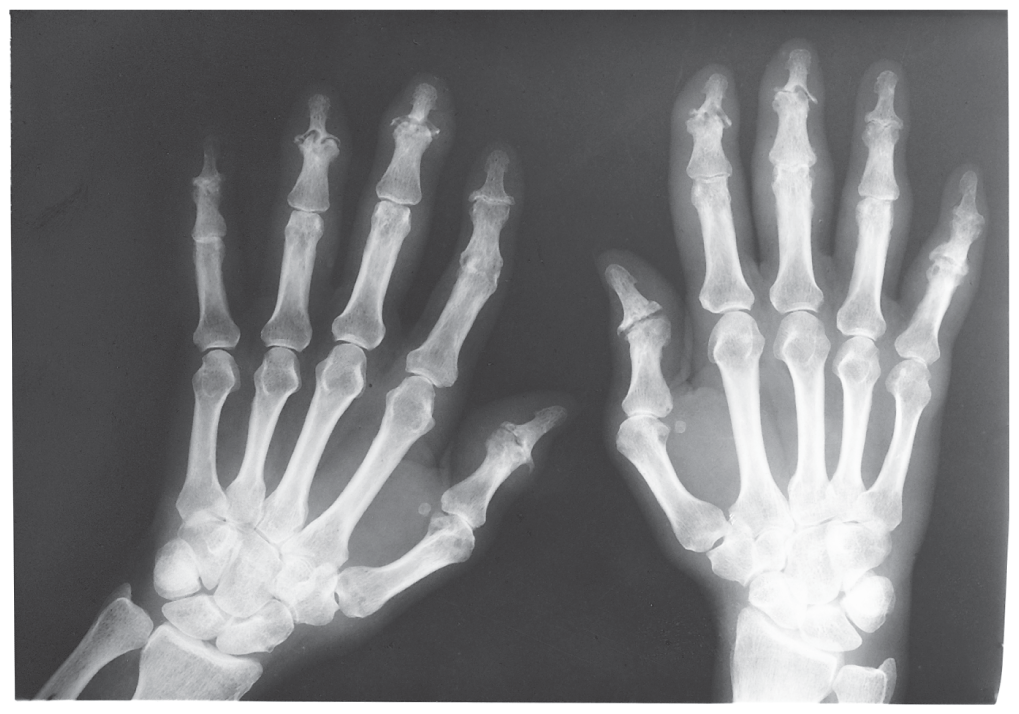
Rheumatology: Osteoarthritis 

    • 2016 Update on glucosamine for the management of osteoarthritis
    • 2014 NICE guidelines for osteoarthritis care and management
    • 2014 OARSI guidelines for non-surgical management knee osteoarthritis
    • 2013 AAOS guidelines for knee osteoarthritis
    • 2012 ACR recommendations for therapies in hand/hip/knee osteoarthritis
« Previous | Next »
Updates per yearSpecialty updatesNumber of sections