Latest Updates

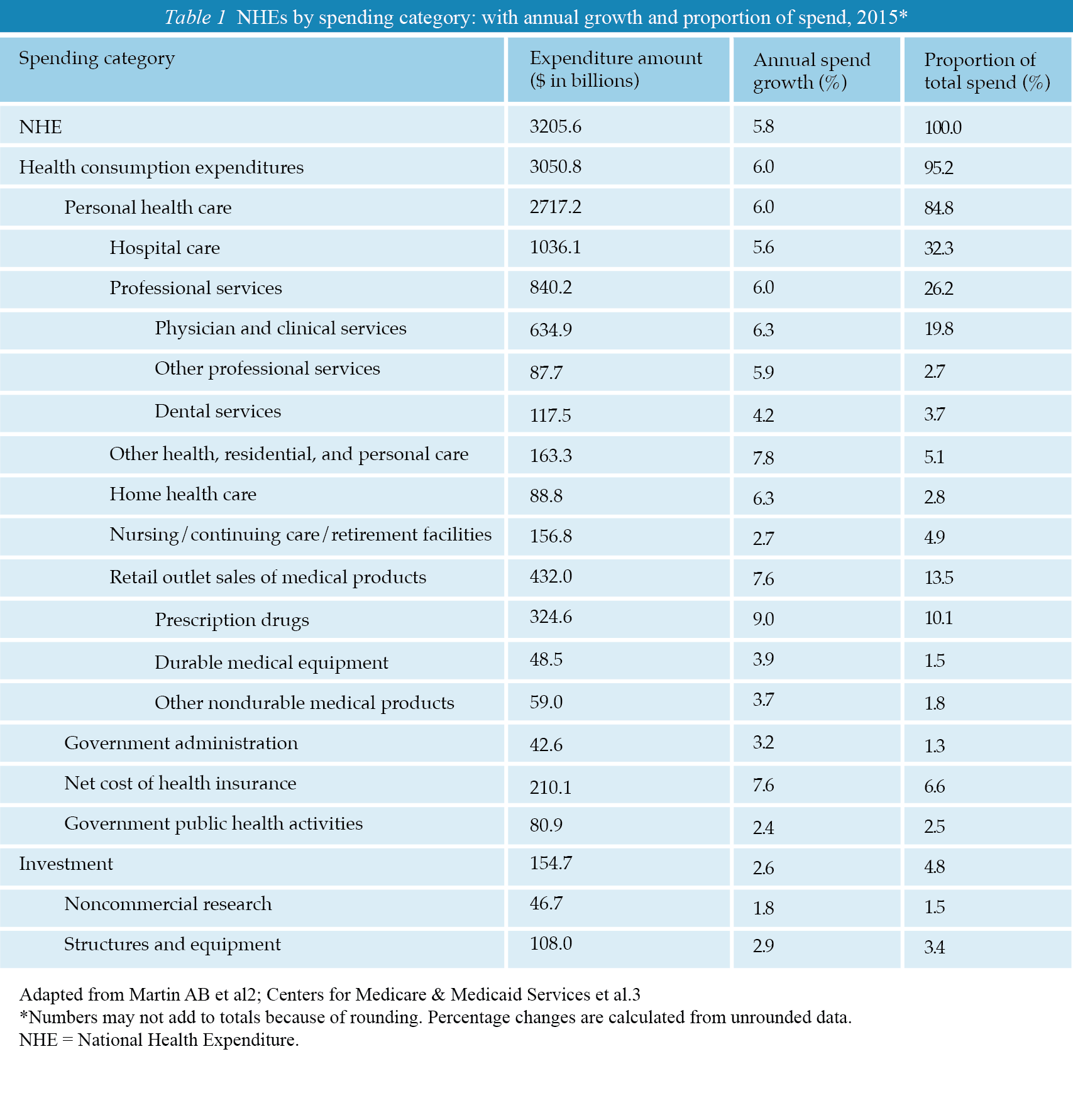
Health Economics: National Health Expenditures

    • 2015 US National Health Expenditures are reviewed.

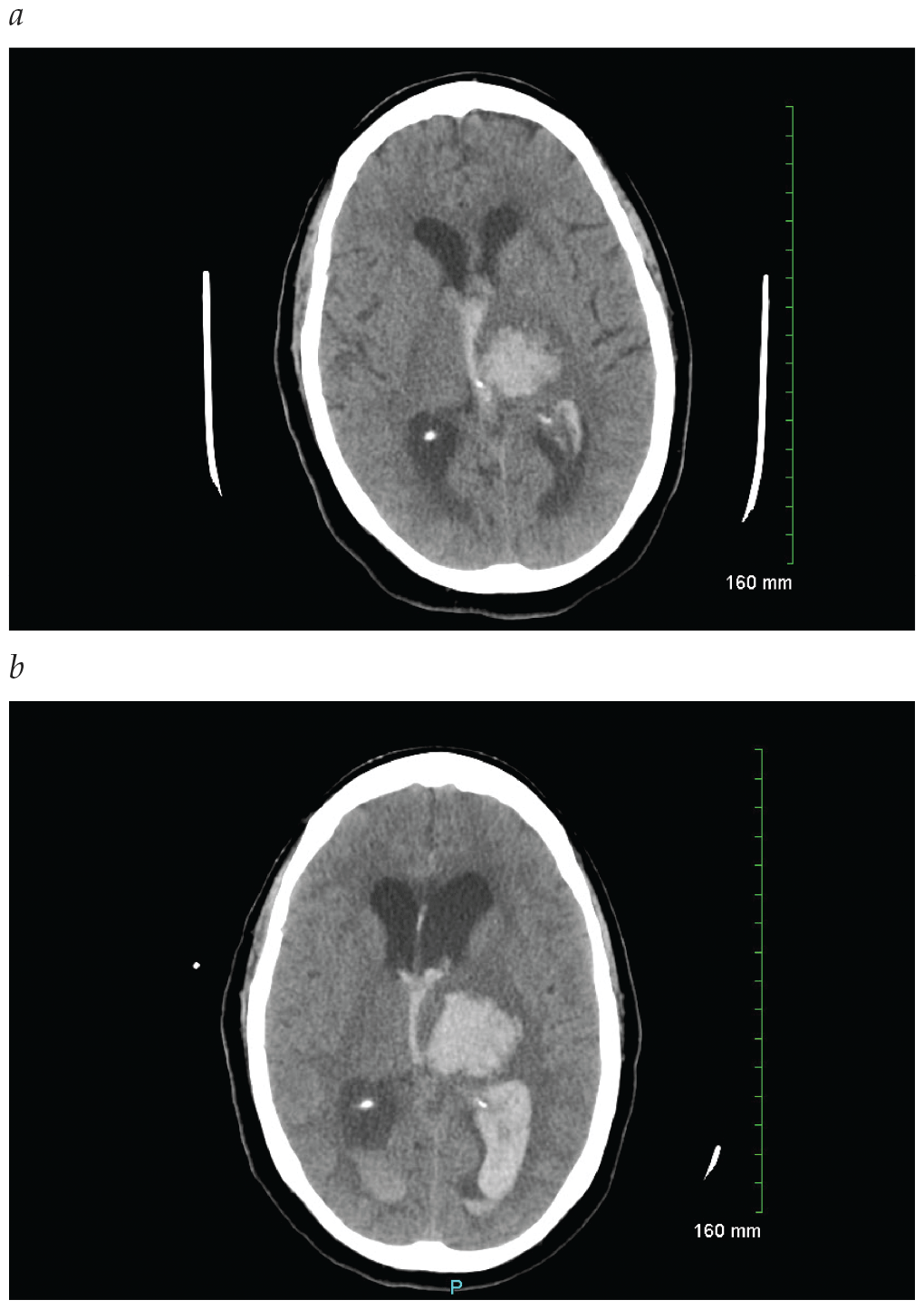
Intracerebral Hemorrhage

    • Platelet transfusion is not recommended in the setting of spontaneous ICH for patients who are taking antiplatelet medications. 
    • Moderate blood pressure control may be better than aggressive blood pressure control in the acute treatment of intracerebral hemorrhage. 
    • It is important to provide the appropriate reversal agents to patients with novel oral anticoagulant related ICH. These include idarucizumab for reversal of dabigatran, and andexanet alfa for reversal of factor Xa inhibitors such as rivaroxaban, apixaban, and edoxaban. 

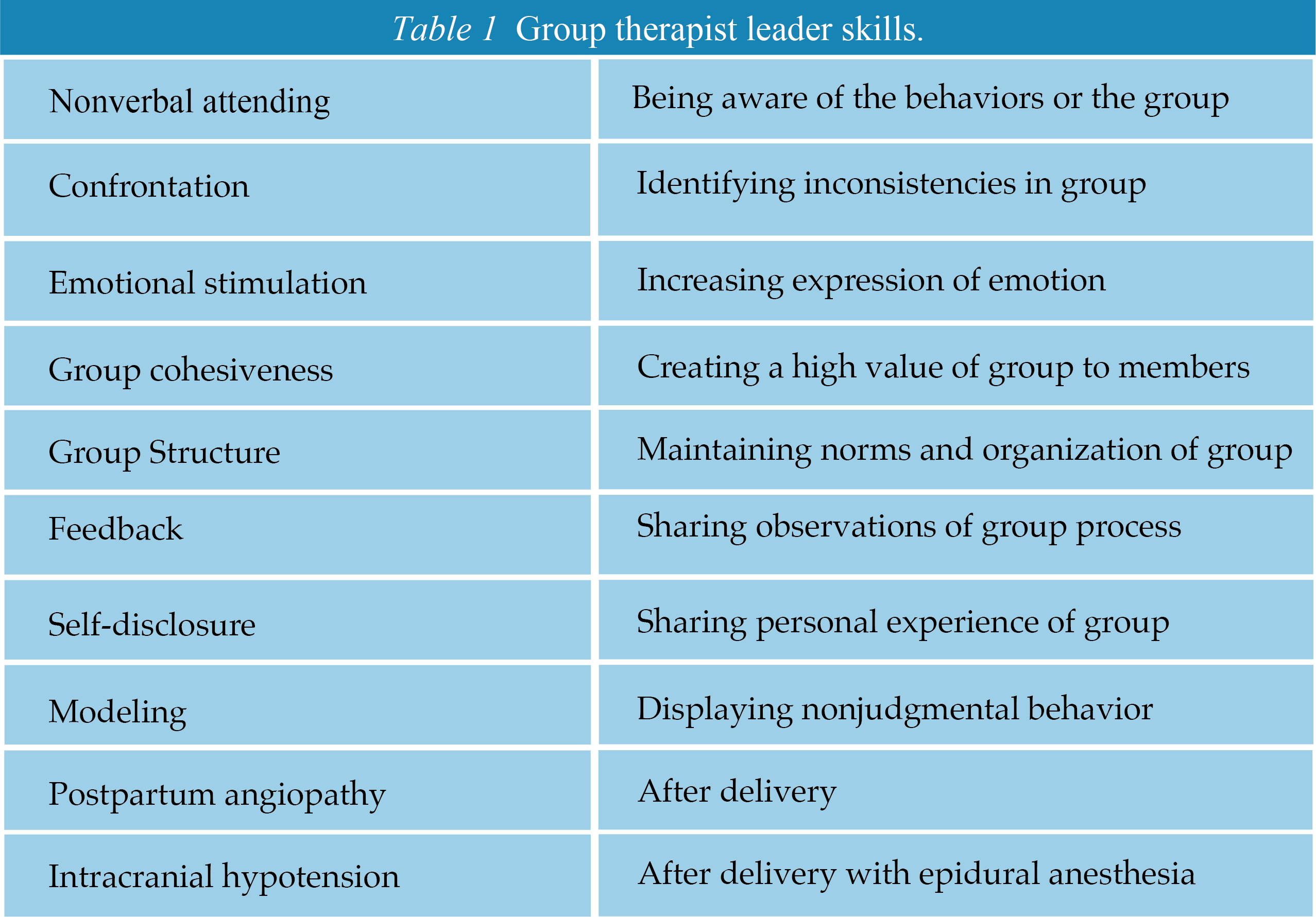
Group Psychotherapy: Group Therapist Leadership Skills

    • Cognitive therapy groups change cognitive processes that interact with behavioral, affective, environmental, and developmental processes.
    • Group therapy with eating disorders yielded similar effectiveness individual psychotherapy, self-help, behavioral weight-loss, and pharmacotherapy.
    • Group therapy for social anxiety obtained large positive effects with demonstrated equivalence to alternative treatment options

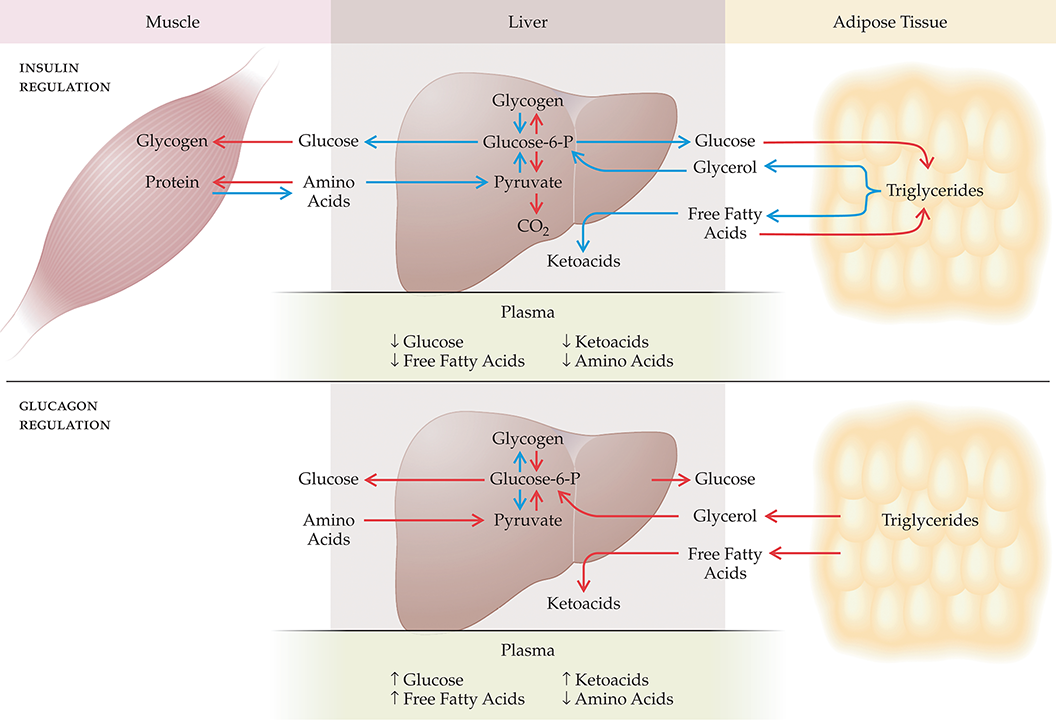
Type I Diabetes Mellitus

    • The management guidelines for adult diabetic ketoacidosis is different from that of child diabetic ketoacidosis. This is due to the higher risk of cerebral edema.

Type I Diabetes Mellitus

    • The management guidelines for adult diabetic ketoacidosis is different from that of child diabetic ketoacidosis. This is due to the higher risk of cerebral edema.

Type I Diabetes Mellitus

    • The management guidelines for adult diabetic ketoacidosis is different from that of child diabetic ketoacidosis. This is due to the higher risk of cerebral edema.

Headache

    • Targeting calcitonin gene related peptide can improve migraine pain
    • Greater occipital nerve blocks may alleviate migraine acutely
    • Clinical decision rules can be used to exclude subarachnoid hemorrhage

Chronic Pelvic Pain: The Neuropathic Pain Basis

    • Provides rapid categorization of the etiology of chronic pelvic pain (CPP) as neurogenic versus nonneurogenic by using an accurate, purposeful physical examination for specific peripheral neuropathies
    • Demonstrates the roles of peripheral neuropathies in the etiology of CPP:
    1. Pudendal neuropathy as the major source
    2. Multiple smaller peripheral neuropathies as associated causes
    • Offers a platform for cooperative patient care among end-organ specialists, neurologists, psychologists, pain clinicians, and interventional radiologists
    • Highlights successful, sequential treatments that can be immediately adopted by any physician
    • Implies that all clinical research studies of CPP should define whether study participants have a peripheral neuropathic basis for their CPP. To date, this has not been done, limiting the value of published study results.
« Previous | Next »
Updates per yearSpecialty updatesNumber of sections