Latest Updates

Bipolar Disorder: An Update on Diagnosis, Etiology, and Treatment

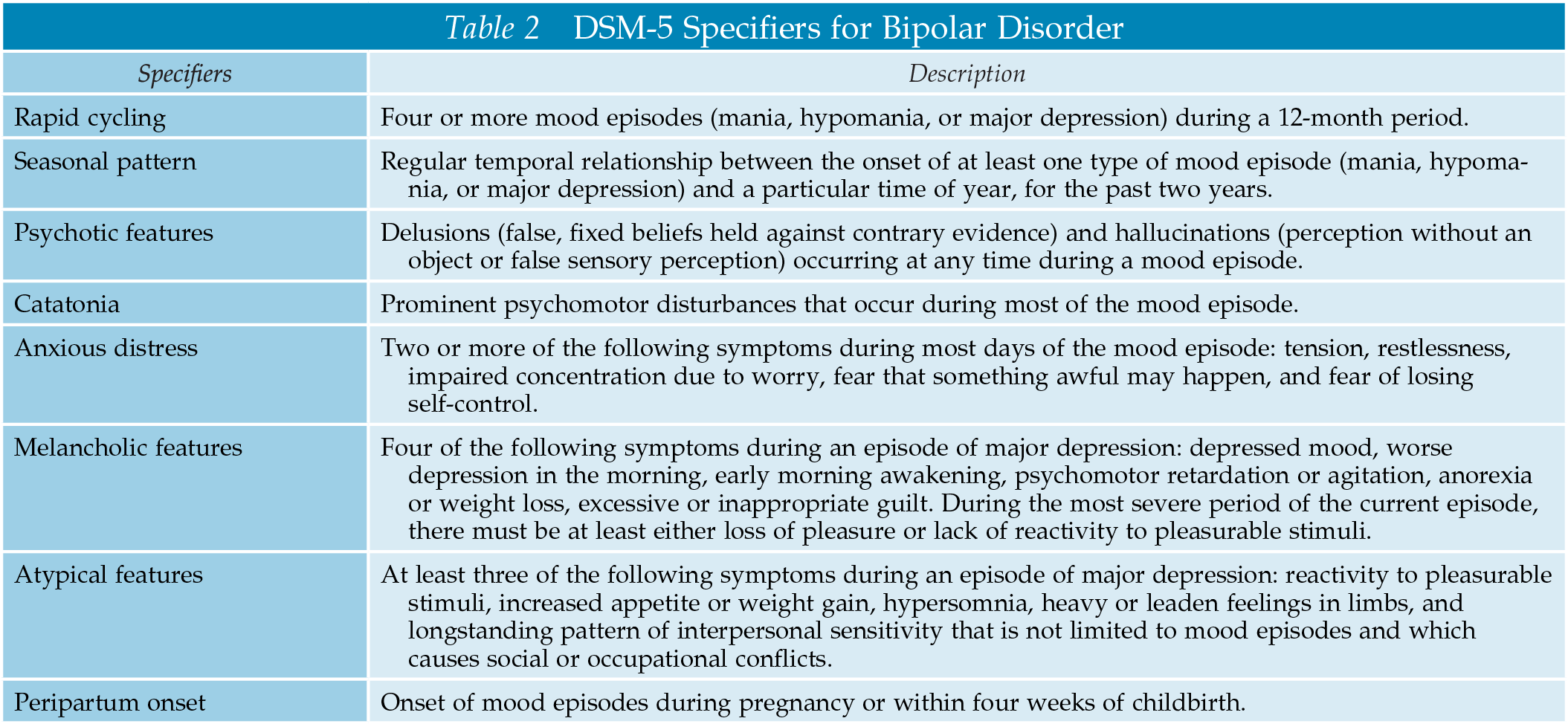
    • In the DSM-5, the diagnosis of mania or hypomania requires the presence of increase in energy or goal-directed activities compared with the habitual in the subject along with mood elevation. This change will contribute to increasing diagnostic reliability.
    • In the DSM-5, the term mixed feature is a course specifier and can be applied to depressive, manic, and hypomanic episodes. Seasonal patterns can now be used for all types of mood episodes. These changes will lead to alterations in study designs and data analysis and potentially advance mental health research.
    • There is increasing evidence of the thinning of cortical gray matter in the brains of patients with bipolar disorder when compared with healthy controls. The greatest deficits were found in parts of the brain that control inhibition and emotion, such as the frontal and temporal regions. This finding clarifies aspects of the mechanisms underlying the developments and maintenance of bipolar symptoms.
    • Neuroimaging studies showed that lithium treatment was associated with reduced thinning of gray matter, which suggests a protective effect of this medication on the brain.
    • Combining pharmacotherapy and psychotherapy can reduce the rate of recurrence mood episodes and medication adherence in bipolar patients. Electroconvulsive therapy is highly effective and can be beneficial in treatment-resistant patients.

Primary and Preventive Care of Women

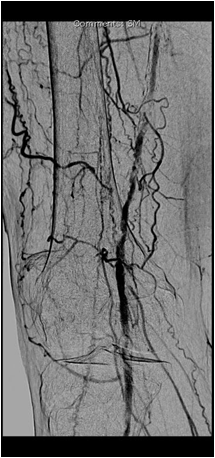
    Treatment of Arterial Ulcers

      • Patients with peripheral arterial disease require antiplatelet and statin medication for prevention of cardiovascular events
      • Treatment of ulcer infection should precede any attempt at revascularization of the foot
      • TASC A-B lesions are amenable to endovascular intervention; TASC C-D lesions require surgery
      • After revascularization, toe/partial foot amputations and/or local flaps can be performed for wound healing
      • Nonambulatory patients may benefit from primary amputation instead of attempts at limb salvage

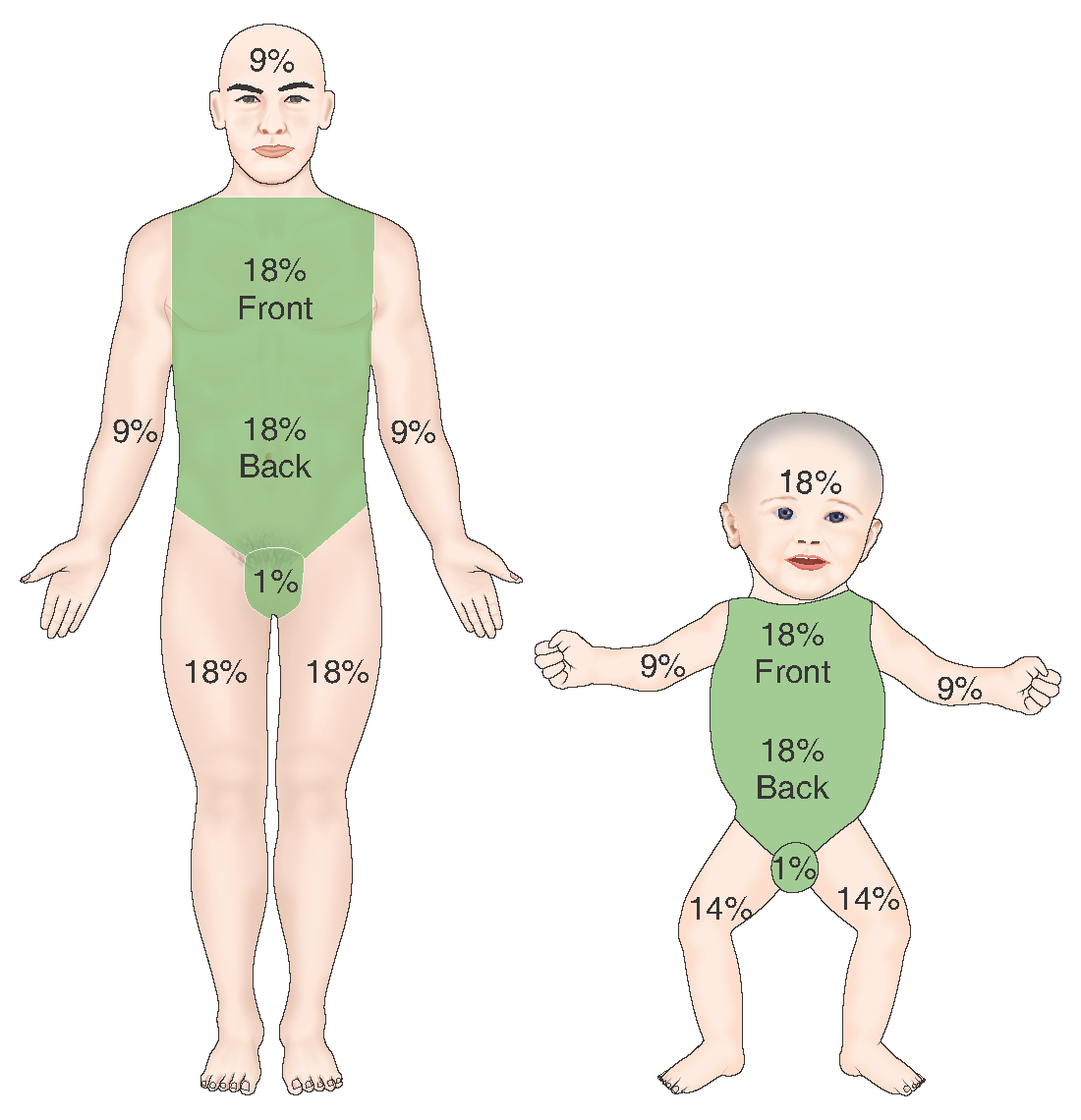
    Burn Resuscitation

      • Accurate estimation of burn size (percent total body surface area; % TBSA) is critical for appropriate fluid resuscitation volume.
      • Most adult patients with burn size less than 20%TBSA and pediatric patients with burn size less than 15% TBSA typically do not require intravenous resuscitation.
      • The mainstay of burn resuscitation is based on continuous fluid administration, not on fluid boluses.
      • Judicious intravenous fluid use reduces fluid creep and resuscitation-related complications.
      • Therapies such as renal replacement therapy (continuous venovenous hemodialysis, dialysis), plasmapheresis, or colloid administration may facilitate resuscitation in patients who are refractory to crystalloids.

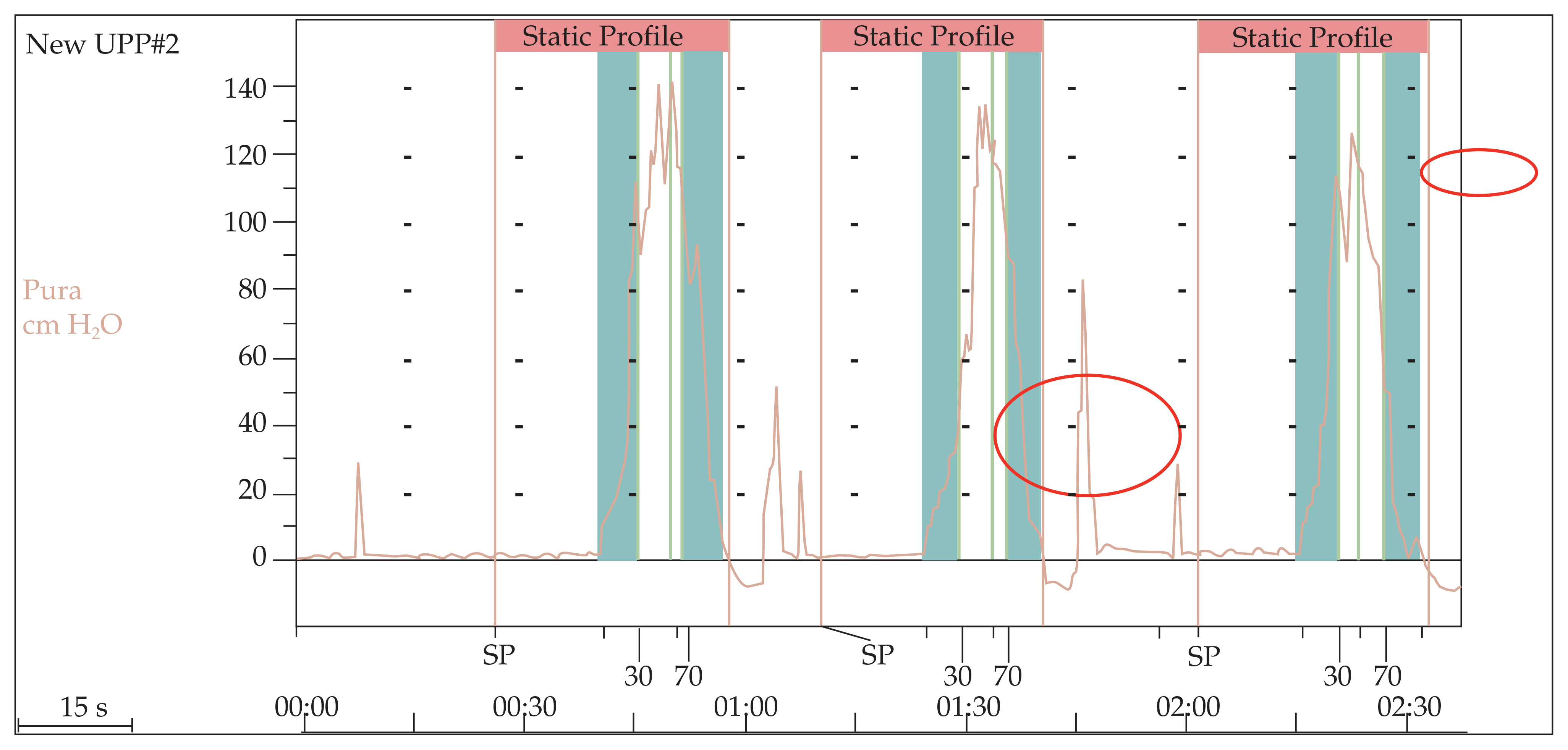
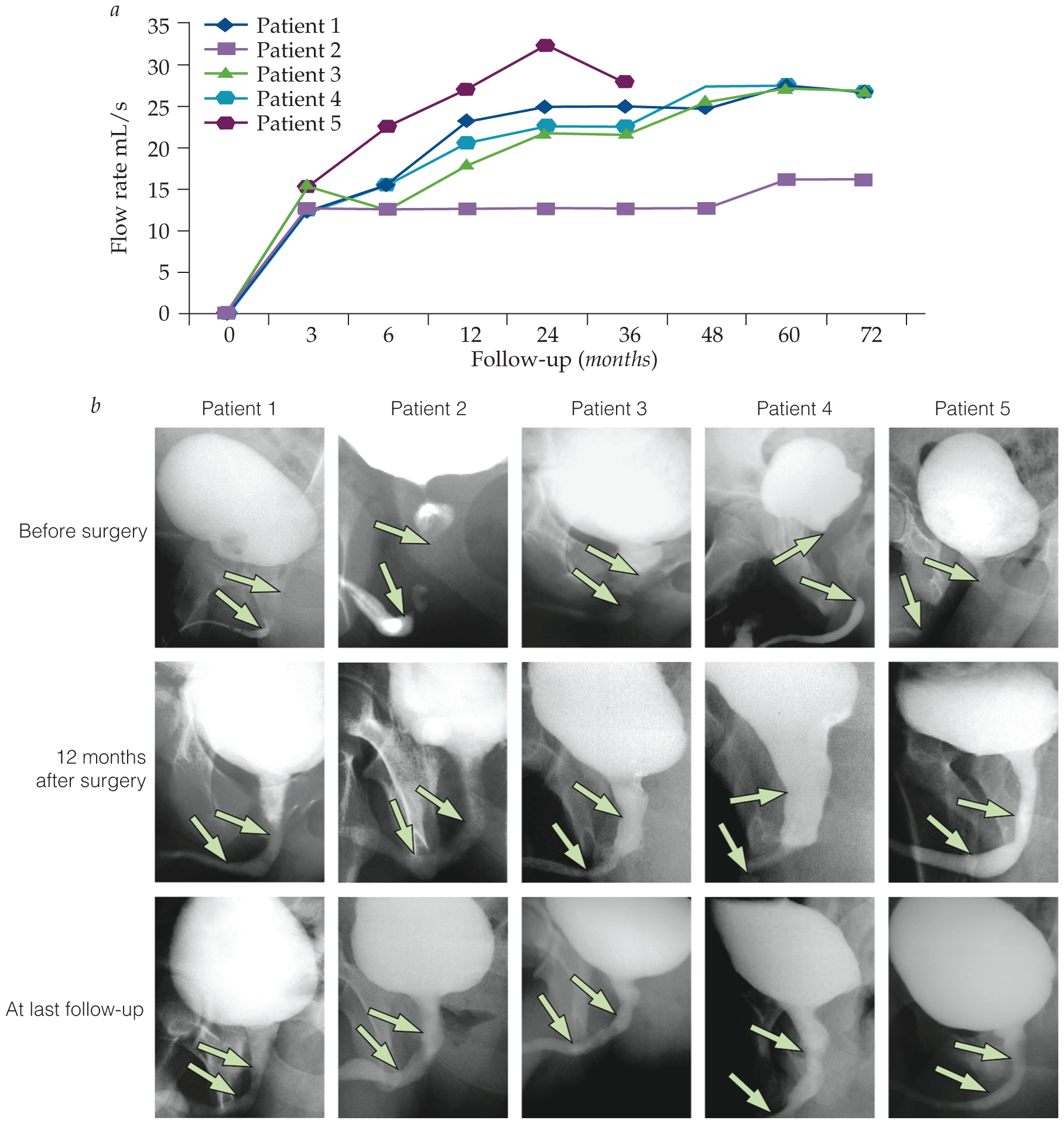
    Uroneurology

      The Future of Transplant Biology and Surgery

        • Although allotransplant remains the gold standard for organ transplant, bioengineering offers future possibilities to alleviate the donor organ shortage.
        • New applications of bioengineering are regularly being seen in clinical investigation and are nearing widespread clinical application.
        • New technologies such as three-dimensional printing are becoming increasingly cost-effective and allow for both experimentation and eventual clinical production.

      Contemporary Evidence-Based Approach to the Couple Experiencing Recurrent Pregnancy Loss: Standardizing Terminology, Testing, and Treatment

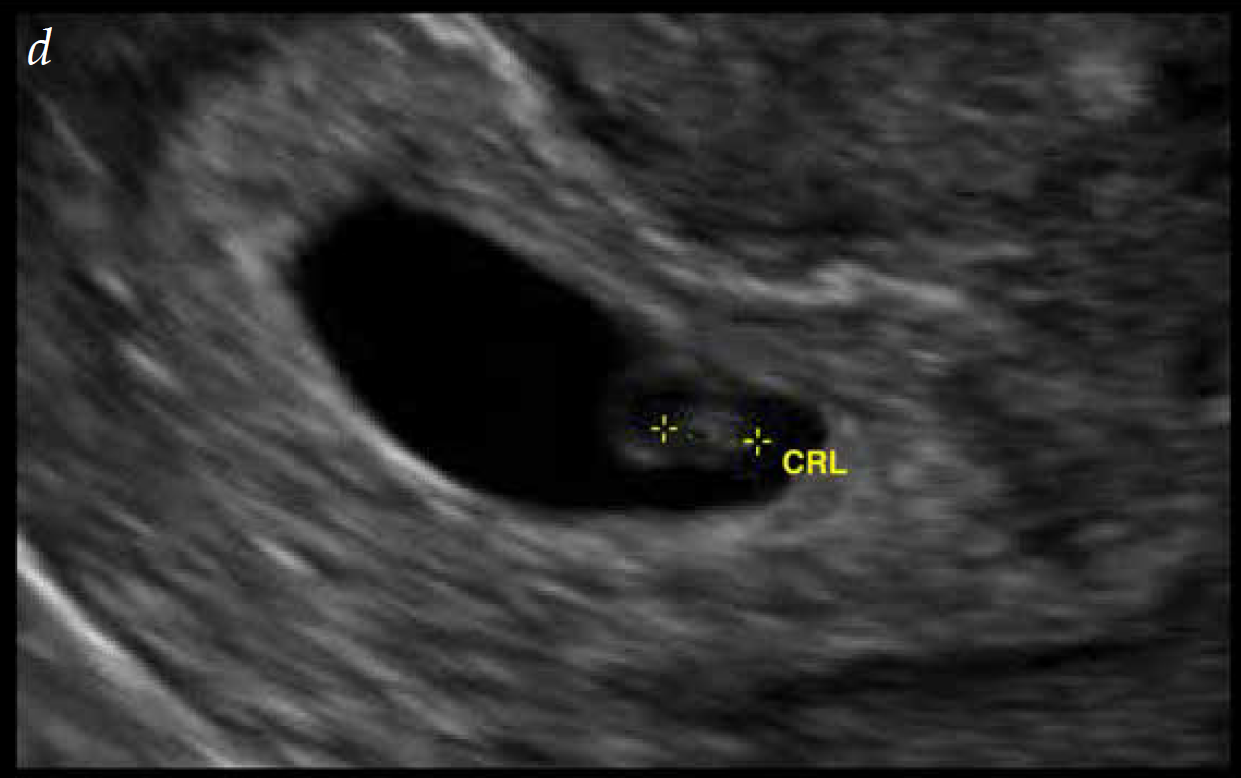
        • Recurrent pregnancy loss (RPL) should be defined as two or more pregnancy losses at any gestational age, not necessarily consecutive.
        • At second pregnancy loss, miscarriage chromosome testing is essential to determining whether an RPL evaluation is indicated. Fifty to 70% of pregnancy losses of less than 10 weeks gestational age are due to a random numeric chromosome errors (“explained miscarriages”).
        • If a miscarriage is found to be euploid (46,XX of pregnancy origin, 46,XY, or a balanced structural chromosome rearrangement), it is termed an “unexplained” miscarriage, and an RPL evaluation is indicated.

      Delirium In The Emergency Department: Diagnosis, Evaluation, And Management

        • Confusion Assessment Method for delirium diagnosis: the first diagnostic tool to operationalize the DSM definition of delirium; currently the most widely used tool for delirium diagnosis; validated in numerous clinical settings and languages and adapted for use in the ICU.
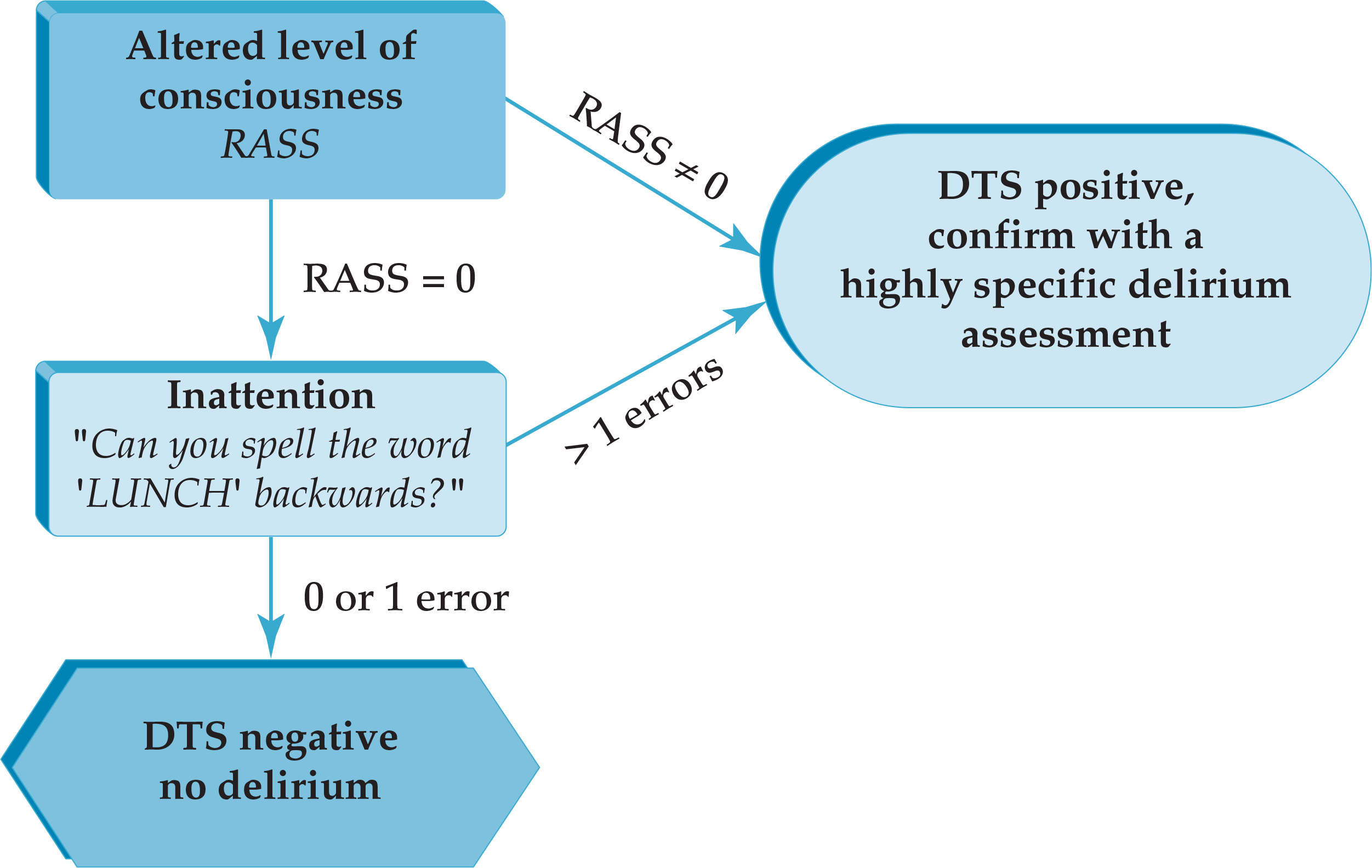
        • Delirium Triage Screen (DTS): the only delirium tool developed for use in the emergency setting; consists of two questions assessing attention and level of arousal/consciousness using the Richmond Agitation Sedation Scale. The DTS can reliably exclude delirium in a matter of seconds; patients with a positive DTS screen should undergo a secondary screening with a test with greater specificity.
        • Delirium prevention decreases the morbidity, mortality, and health care costs for hospitalized patients. The Hospital Elder Life Program is a multicomponent intervention to prevent delirium in hospitalized older patients. The New England Journal of Medicine was the first successful nonpharmacologic delirium prevention program and addressed reorientation, sleep protocols, mobility, and hearing and visual impairments. A recent meta-analysis demonstrated that multicomponent nonpharmacologic programs are effective in delirium prevention in medical and surgical inpatient settings.
      « Previous | Next »
      Updates per yearSpecialty updatesNumber of sections