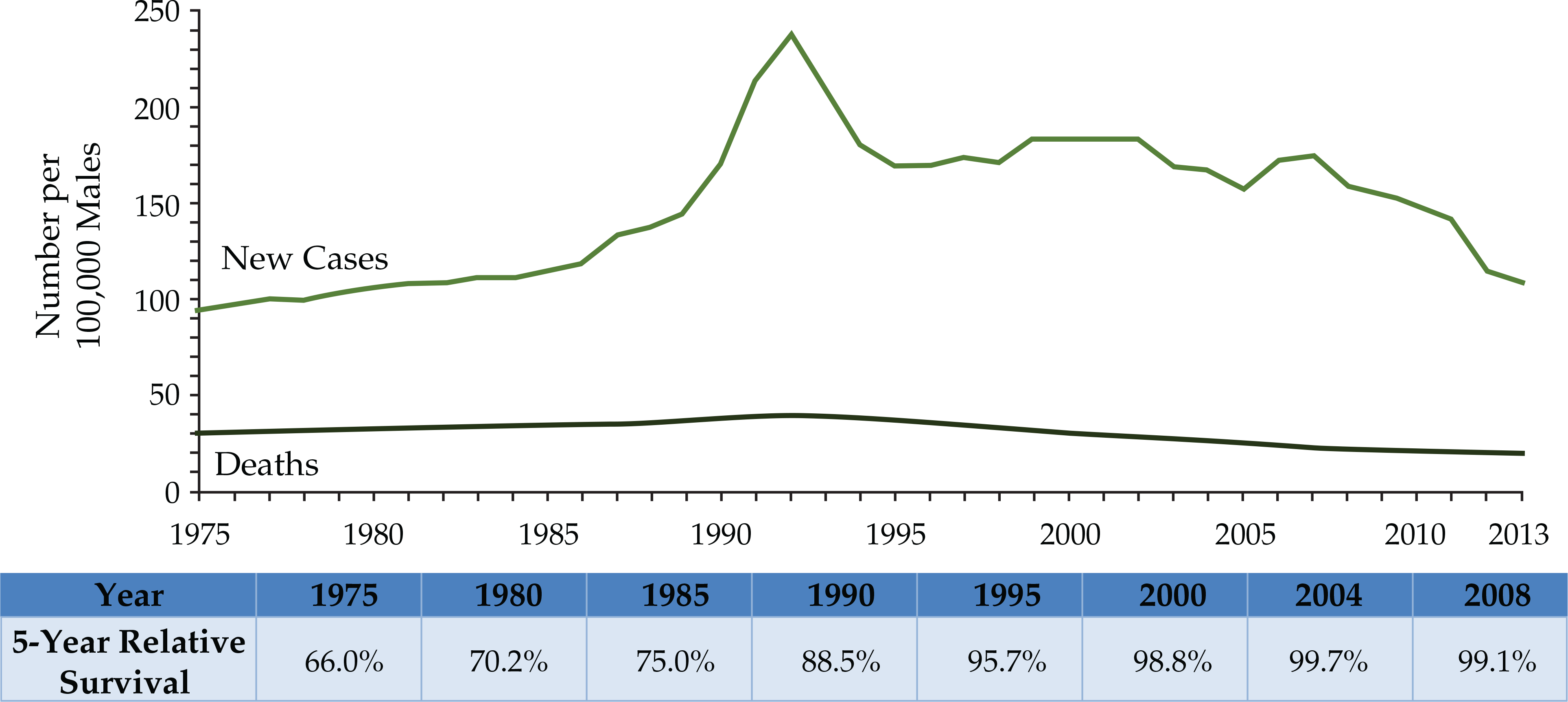
- Emphasis on landmark clinical trials in metastatic prostate cancer (especially since 2010)
- Critical analysis and summary of PSA-based prostate cancer screening
- Advances and integration of genomic sciences in early and advanced stages of prostate cancer
Latest Updates


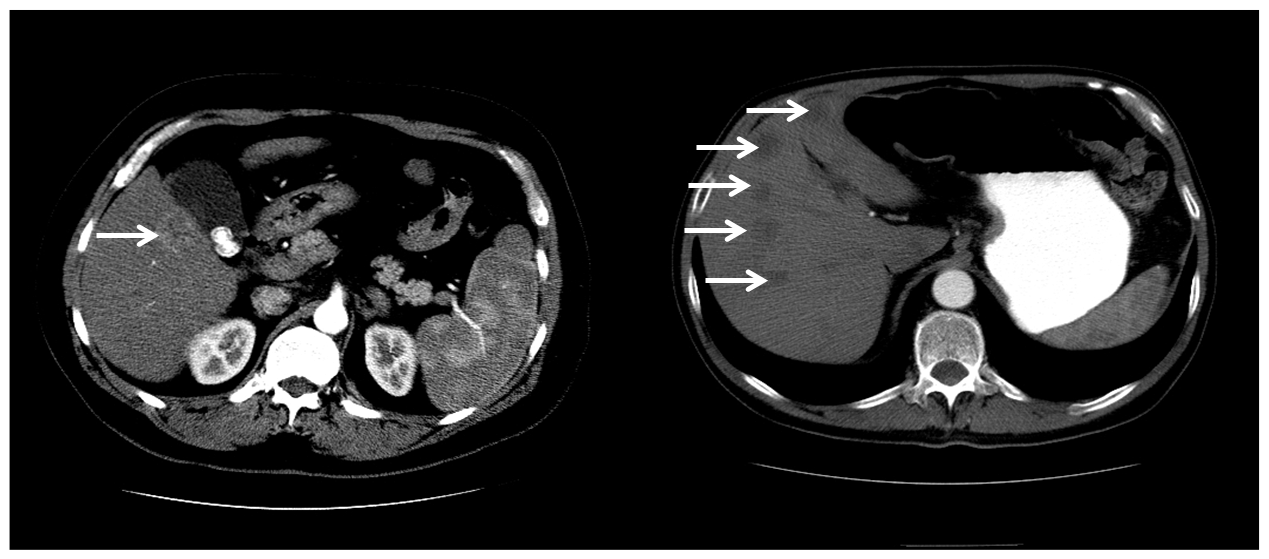
Minimally Invasive Approaches in Liver Surgery
- Evidence of improved outcomes following laparoscopic liver surgery
- Robotic versus laparoscopic liver surgery outcomes
- Retrospective studies with long-term follow-up are now being published, and early indications point to oncologic equivalence of minimally invasive approaches compared to open approaches for liver surgery.
- No randomized clinical trials have yet been published comparing minimally invasive and open approaches for liver surgery.

Wound Management and the Utility of Adjunctive Technologies in Diabetic Limb Salvage
- The use of combined hydrosurgical debridement and methylene blue indicator effectively reduces wound biofilm.
- Negative-pressure wound therapy with instillation is an important innovation, which improves wound management outcomes.
- Collagen-based allografts are helpful adjunctive therapies which can improve clinical outcomes in the complex host.
- Mesenchymal stem cell–based allografts may provide nonsurgical patients with alternative options.
- Split-thickness skin grafts and alternative methods for wound coverage should be part of the surgical plan.

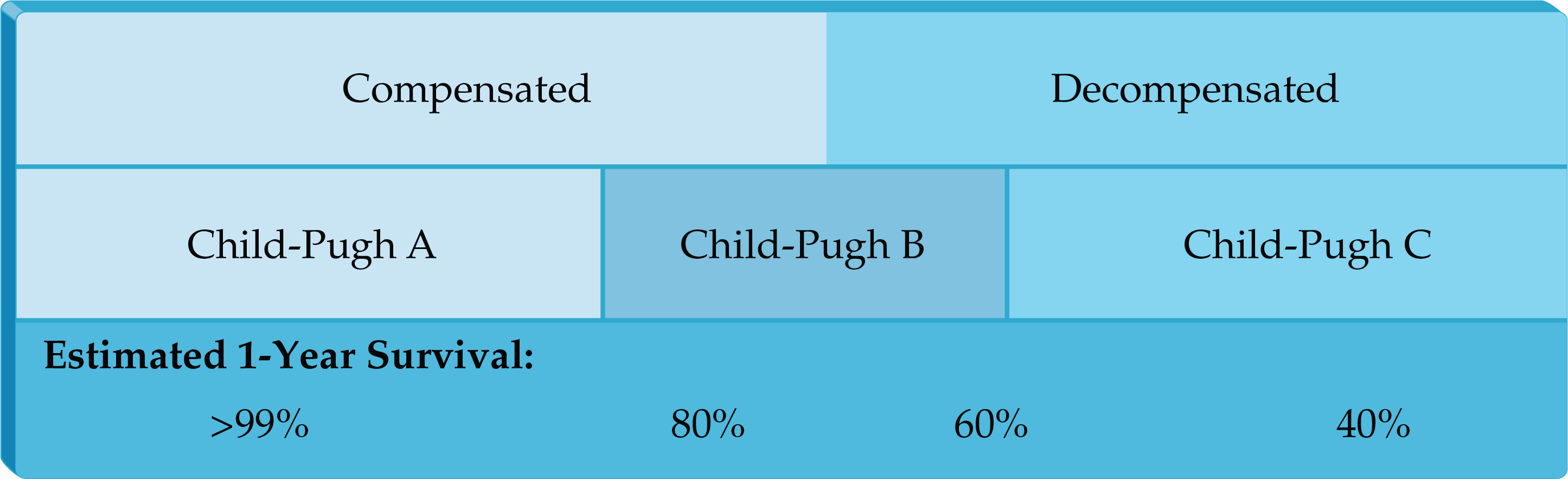
The Natural History Of Chronic Liver Disease
- Further subclassification of “compensated” versus “decompensated” cirrhosis yields increased prognostic accuracy
- The concept of acute-on-chronic liver failure has emerged as a distinct clinical state with particularly poor survival
- Advances in techniques in liver transplantation have resulted in improved survival, but geographic disparities in organ availability and a universal shortage in organs result in a continued high mortality from end-stage liver disease
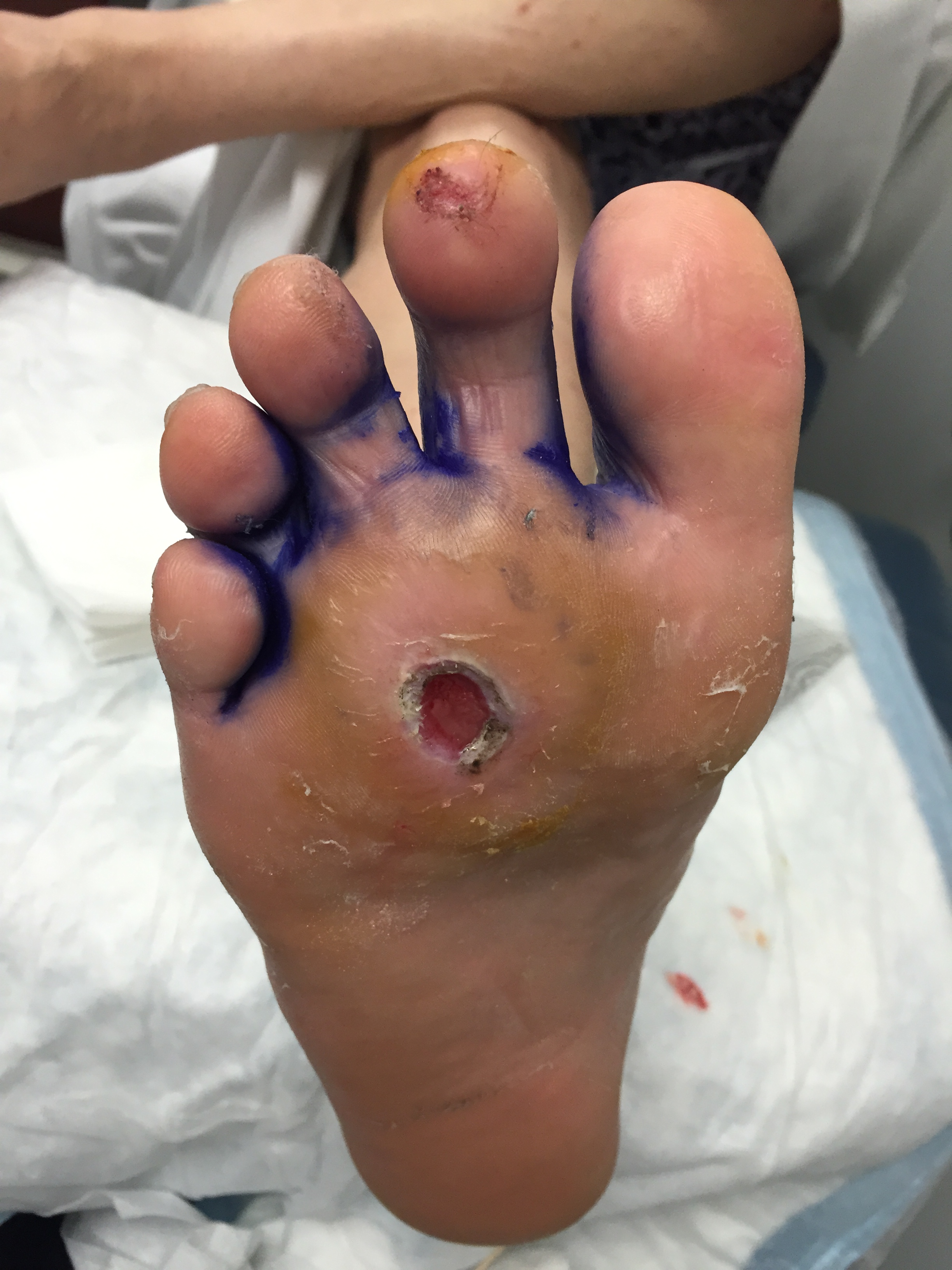
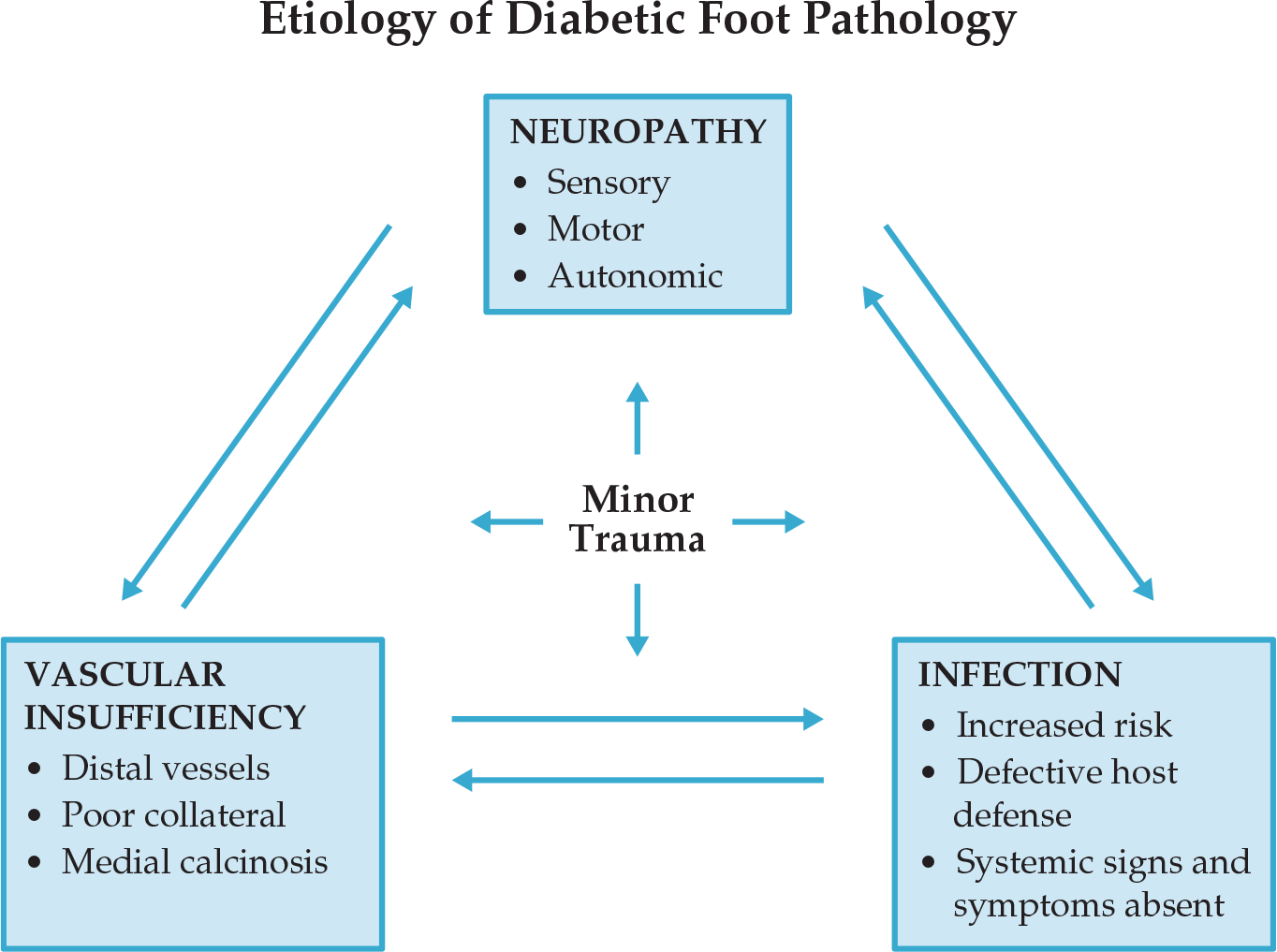
Pathophysiology of the Diabetic Foot
- There is now consensus that a multidisciplinary approach is needed for diabetic foot ulcer management.
- The classic soft tissue reconstructive ladder is disrupted by technologies including negative pressure wound therapy and biological scaffolds.
- An emphasis in correcting biomechanical abnormalities is being widely adopted.
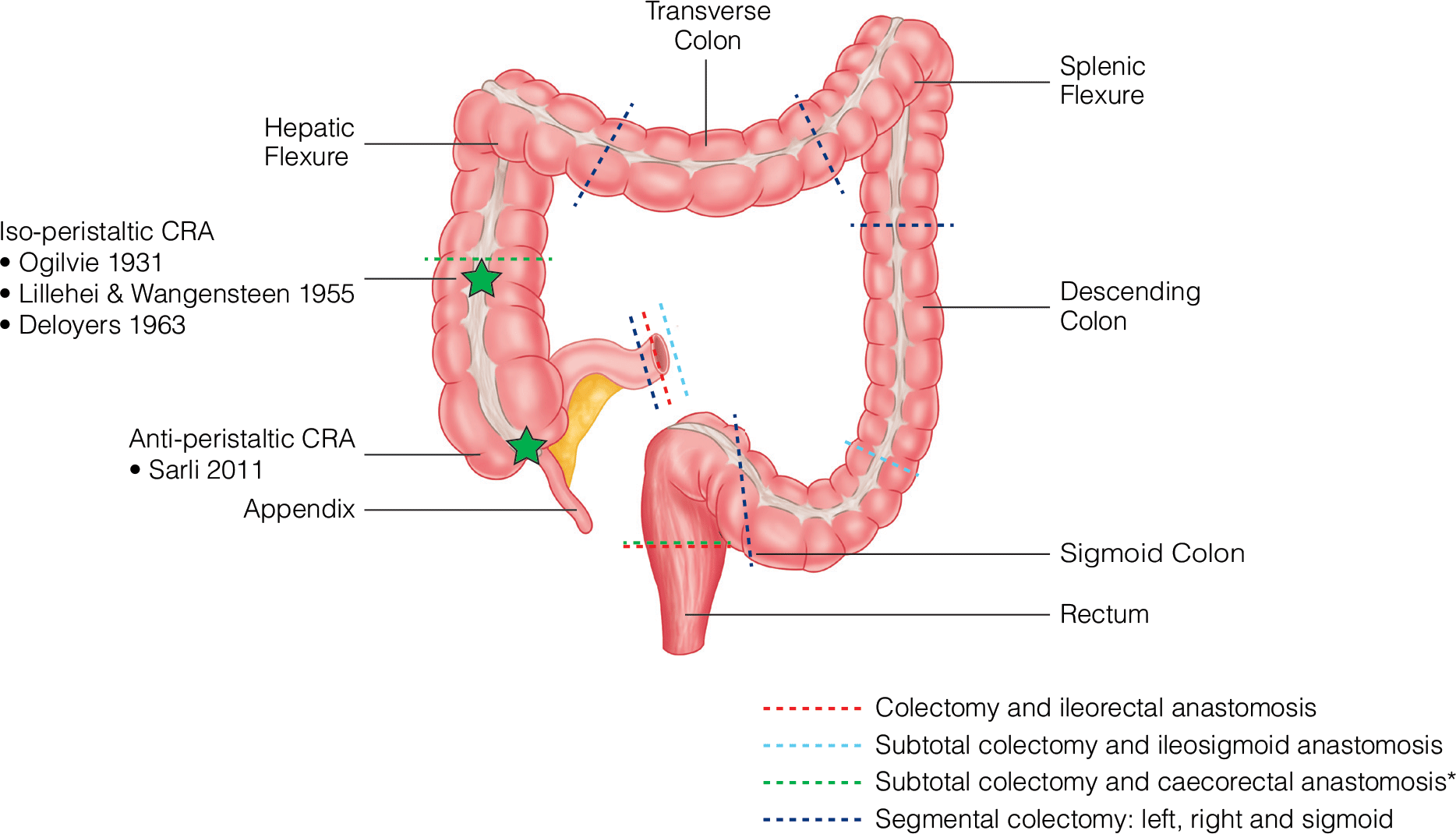
Constipation: Medical and Surgical Treatment
- Development and rigorous trialing of new drugs with specific effects on motility (prokinetics) and colonic secretory activity (secretogogues).
- Key publication of US-wide retrospective cohort data identifying high surgical morbidity and increased health utilization after colectomy for constipation.
- Recent ascendancy of laparoscopic ventral mesh rectopexy as the favored procedure for internal rectal prolapse (intussusception).
- Decline of sacral nerve stimulation as a treatment for chronic constipation following two negative multicenter randomized trials.
- Publication of UK-led high-quality systematic reviews of all main surgical approaches to treating chronic constipation with summary evidence statements and European consensus leading to graded practice recommendations.
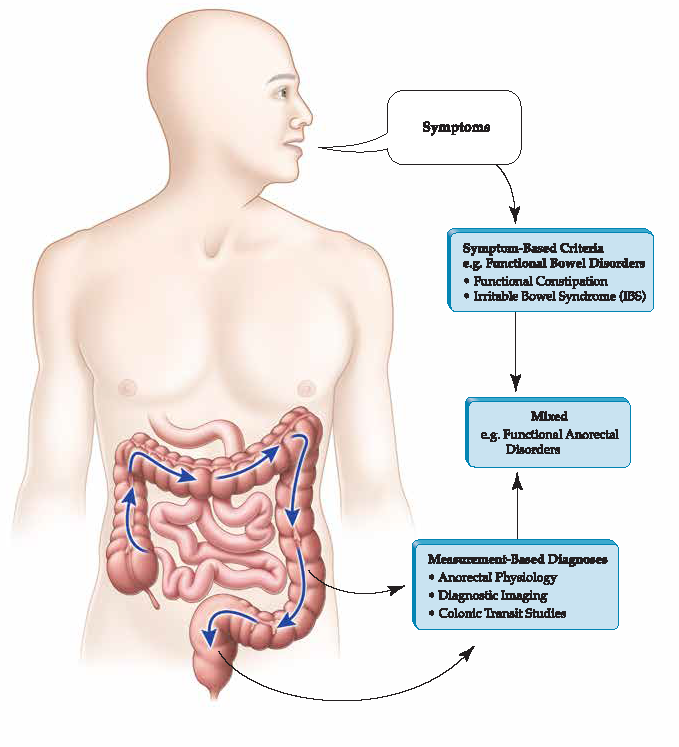
Constipation: Diagnosis and Investigation
- Publication of the Rome IV guidelines regarding classification of functional constipation and irritable bowel syndrome.
- Publication of key studies questioning the diagnostic accuracy of anorectal manometry alone in the diagnosis of pelvic floor dyssynergia, with subsequent changes in Rome IV diagnostic criteria.
- Increasing ability to directly measure, and thus recognize, the complexity of higher mammalian colonic contractile motor patterns with new understanding that in most patients, chronic constipation (CC) is more likely a problem of dysregulated (even perhaps increased) rather than decreased motor activity.
- A general move away from silo investigation and management of CC that acknowledges the interface between gastroenterologist and colorectal surgeon, and colorectal surgeon and urogynecologist.
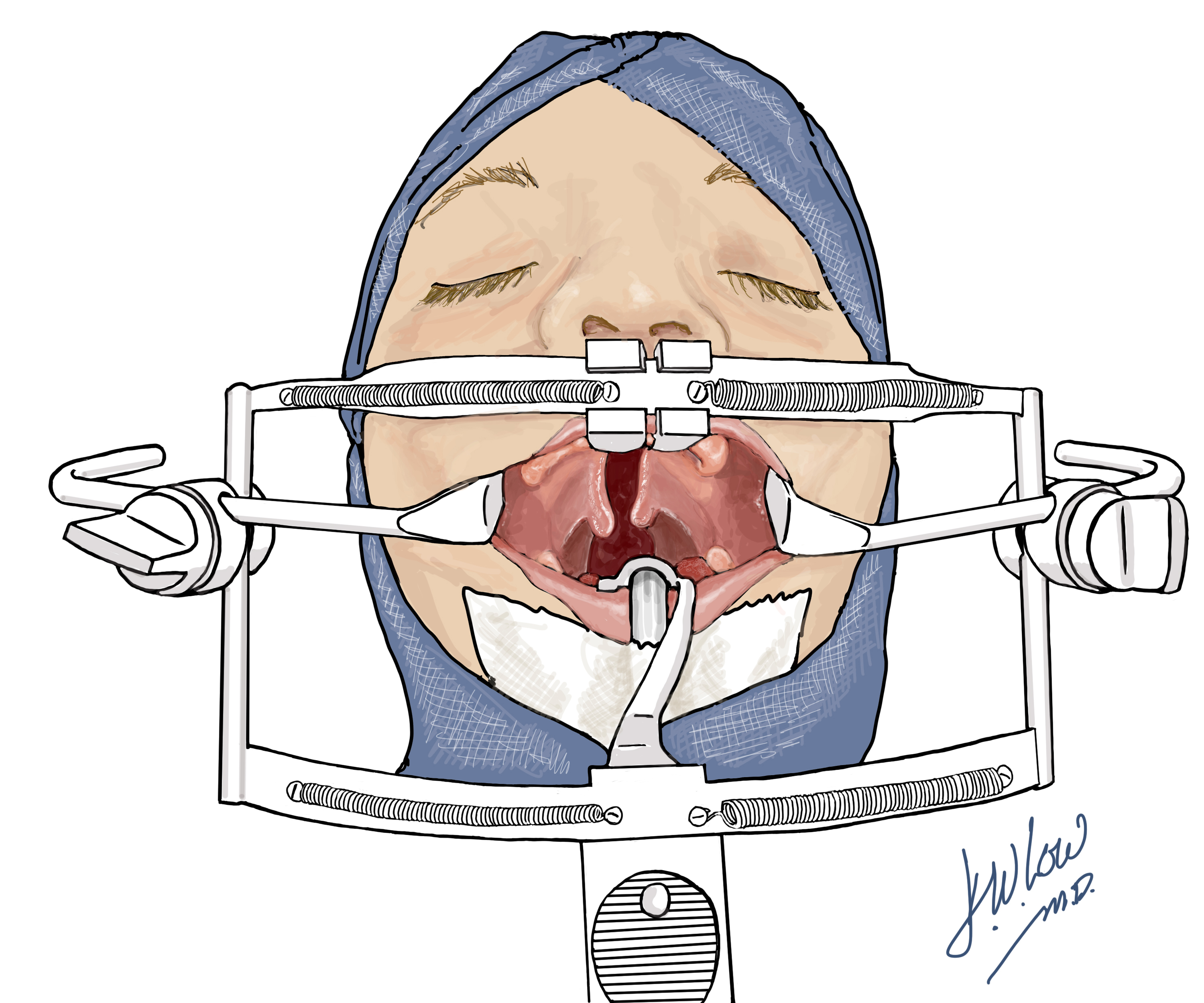
- Advances in genetic screening can lead to earlier and more accurate diagnosis of syndromes associated with cleft palate.
- The establishment of multidisciplinary care for patient with cleft palate is important for optimal long-term outcomes.
- The Furlow palatoplasty technique lengthens the soft palate and reduces longitudinal scarring, which can result in improved velopharyngeal function.









.png)