
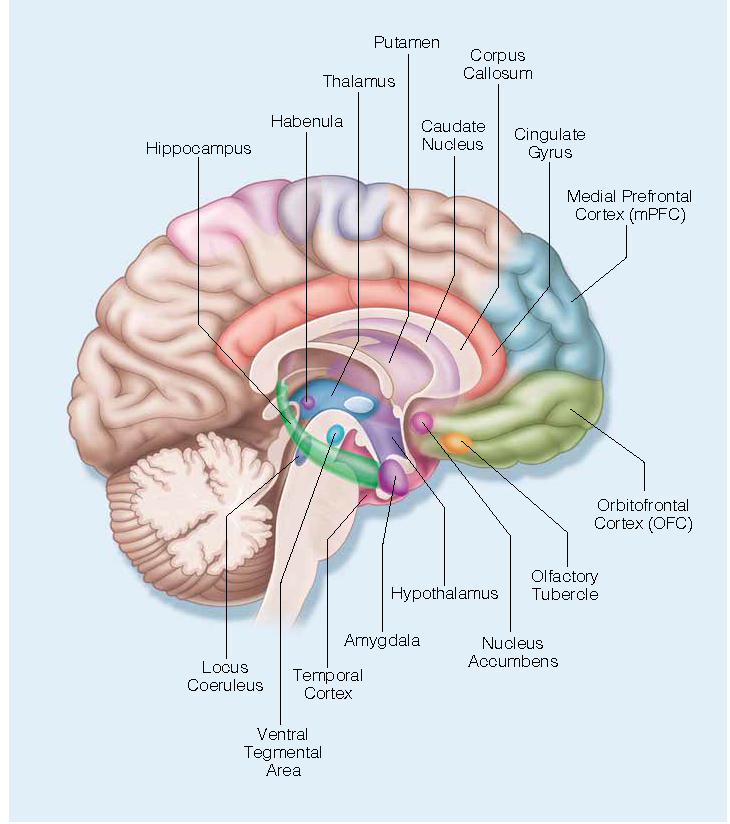
Neurobiology of Mood Disorders
- Clinical characteristics determine differences in the neuroanatomy and neurobiology of mood disorders.
- Mood disorders have neurobiological circuitry in the prefrontal cortical, limbic, and brain reward systems.
- Synaptic plasticity changes are important in the neurobiology of mood disorders.
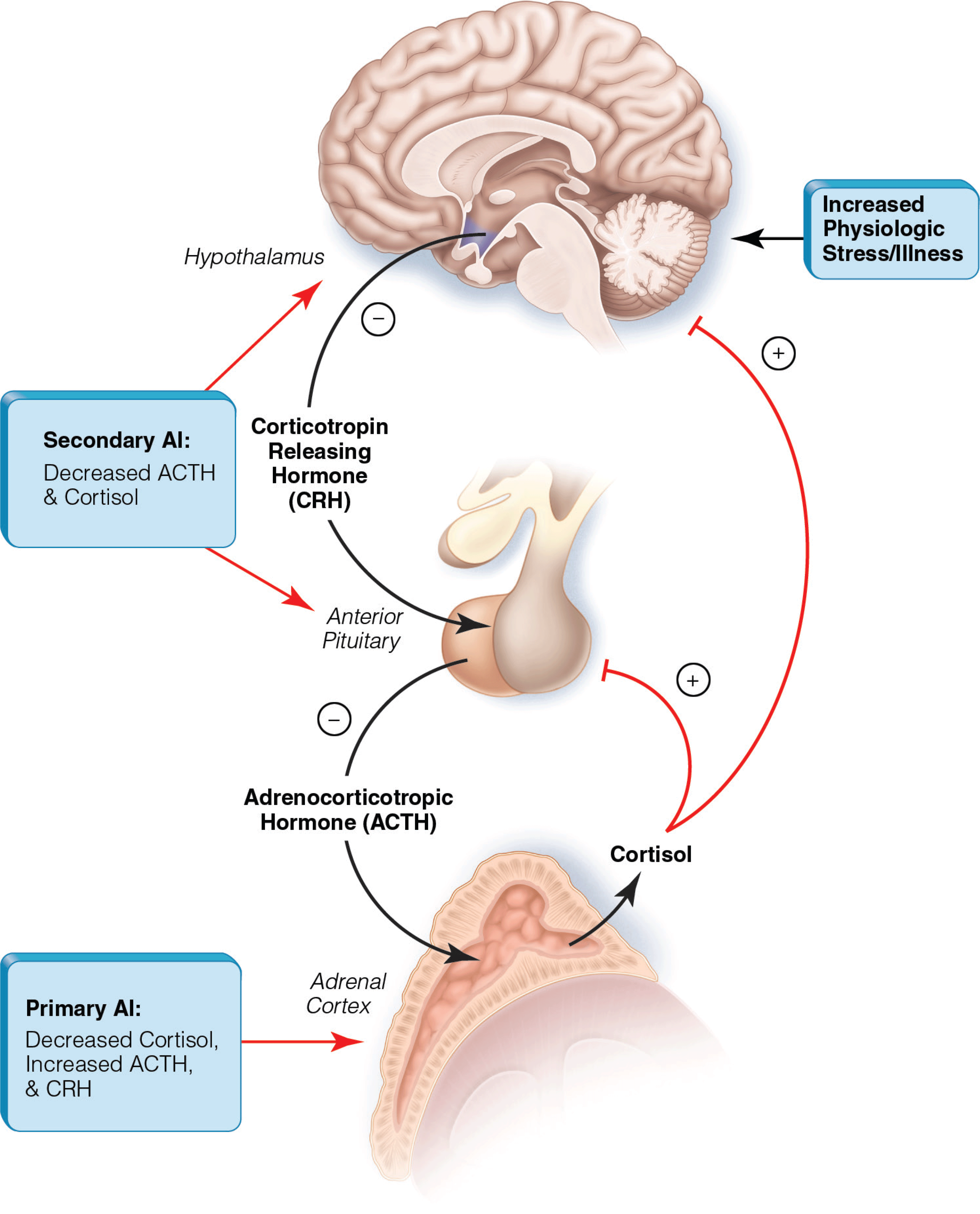
- Neurochemical substrates of mood disorders are glutamate, GABA, dopamine, serotonin, endocannabinoids, cortisol, and immune system molecules.
- Mood disorders have a significant genetic basis, which is more pronounced for bipolar disorder.
- Transcranial magnetic stimulation represents a paradigm shift in the understanding and treatment of mood disorders.













.png)