- Reviews data from large retrospective studies, supporting the perceptions of many experienced surgeons that operations are risky in patients with liver disease, along with experimental and clinical evidence providing several reasons why.
- Describes the extensive testing of the prognostic value of both the Child-Turcotte-Pugh (CTP) and Model for End-Stage Liver Disease (MELD) scoring systems for the survival of patients with cirrhosis.
- Discusses new rapid and practicable dynamic tests of liver function and the development of a minimally invasive determination of portal pressure, which show promise as accessory predictors of the risk of operating on patients with liver disease.
- Describes applications for computers and hand-held devices that are now available to calculate an extensive range of formulae in the assessment of patients, for numerous liver diseases and their complications.
Latest Updates



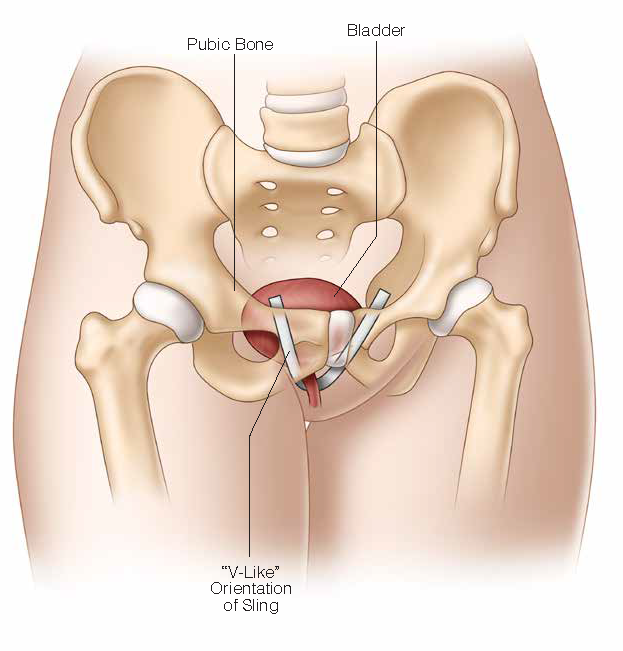
Surgical Management of Stress Urinary Incontinence
- Understanding the pathophysiology of SUI in women
- Steps in initial evaluation of SUI
- Evidence for which surgical option to choose based on patient characteristics


Mood Stabilizers: Implementing Combined Treatment Regimens in Bipolar Disorder
- Bipolar disorder is composed of a variable number and type of treatment-responsive symptoms.
- Multiple strategies can be used to optimize symptom control while minimizing medication side effects.
- Identifying affective lability and mixed symptoms during the maintenance phase can aid treatment planning.

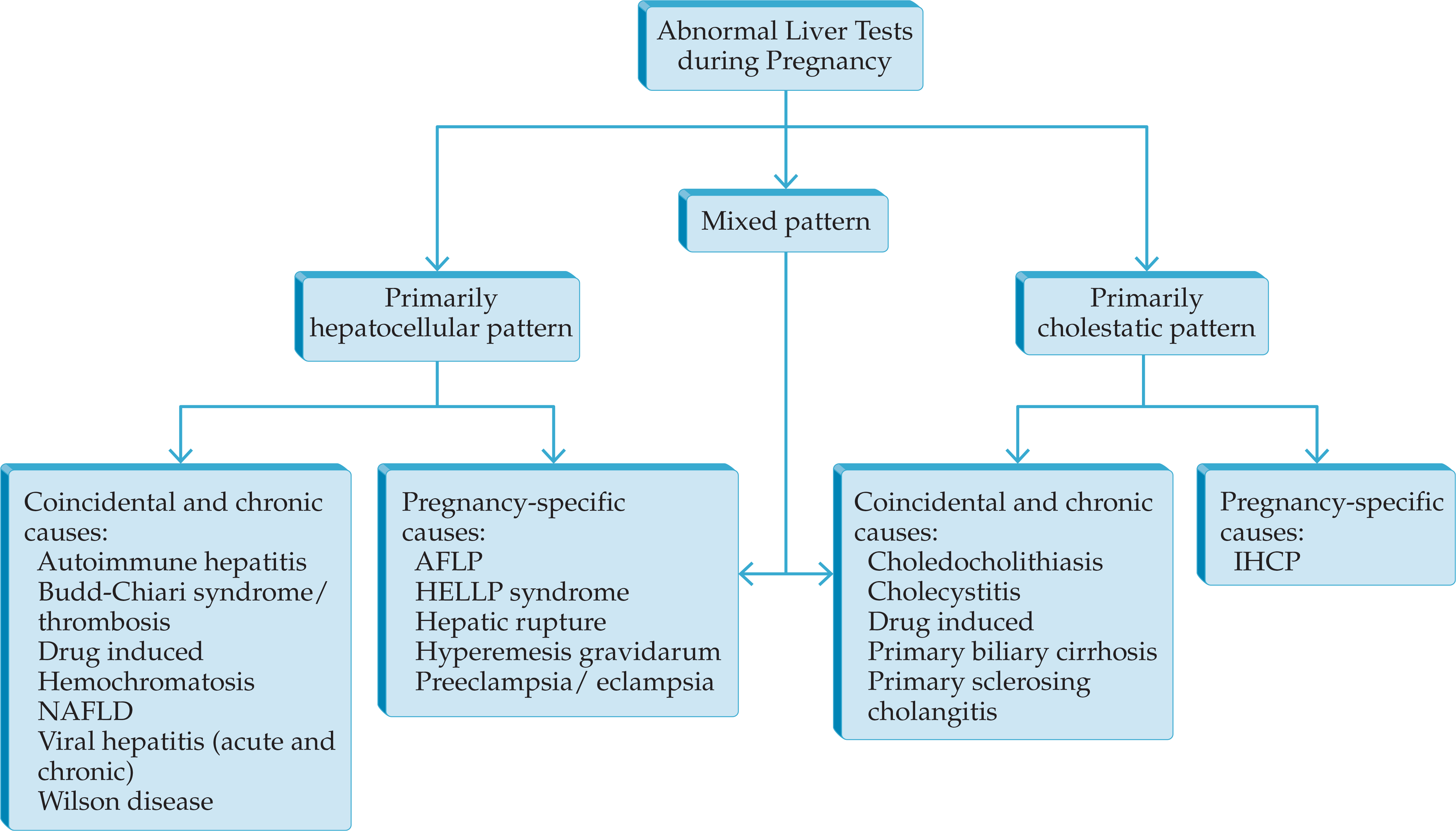
- Preeclampsia can progress to severe preeclampsia, eclampsia, HELLP syndrome, and acute fatty liver of pregnancy, which are associated with an increased risk of peripartum and fetal complications.
- Lamivudine, telbivudine, and tenofovir are safe treatments for chronic hepatitis B during pregnancy.
- New direct-acting antiviral treatments for chronic hepatitis C are not approved for use during pregnancy.
- Endoscopic retrograde cholangiopancreatography and laparoscopic cholecystectomy have been reported to be safe in pregnancy.
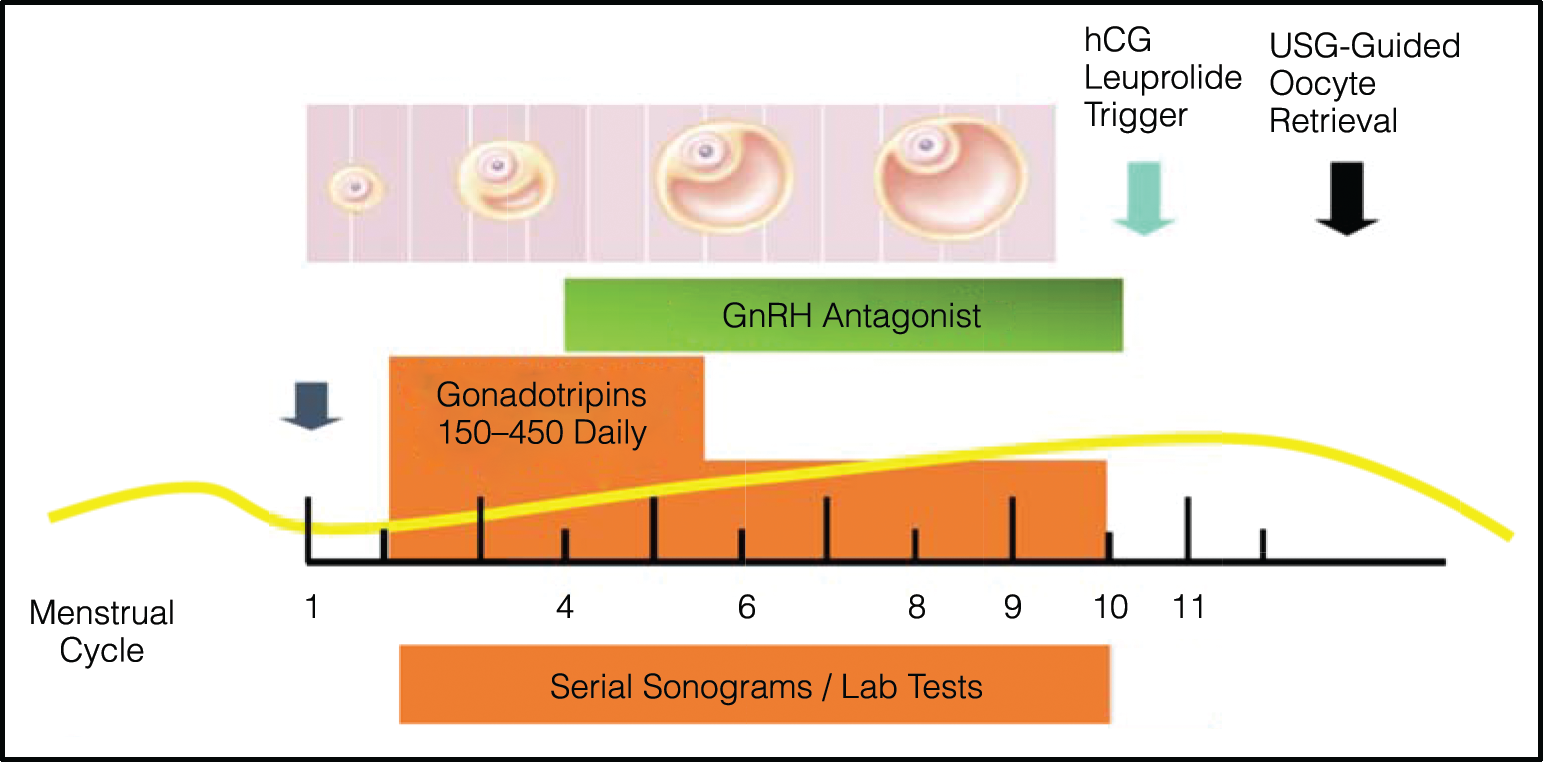
- The live birth rate (LBR) after embryo cryopreservation in patients under 35 with infertility using their own oocytes is 42.8%. The long track record of successful pregnancy after embryo cryopreservation makes it one of the most reliable techniques for fertility preservation.
- The first birth from frozen and thawed oocytes was reported in 1986, but oocyte cryopreservation was considered experimental until 2012, when the ASRM removed the experimental label after four randomized controlled trials demonstrated no significant differences in pregnancy rates when vitrified oocytes were used compared with fresh oocytes for in vitro fertilization in good-prognosis patients.
- LBRs after orthotopic transplantation of cryopreserved ovarian tissue have been reported to be between 20 and 30%. The LBR seems to improve with the age of the patient at the time of ovarian tissue cryopreservation.

Nausea and Vomiting of Pregnancy
- · Overall reassuring pregnancy outcomes
- · Use of antiemetics in pregnancy
- · Preferred use of enteral feeding if needed given risks of parenteral feeding
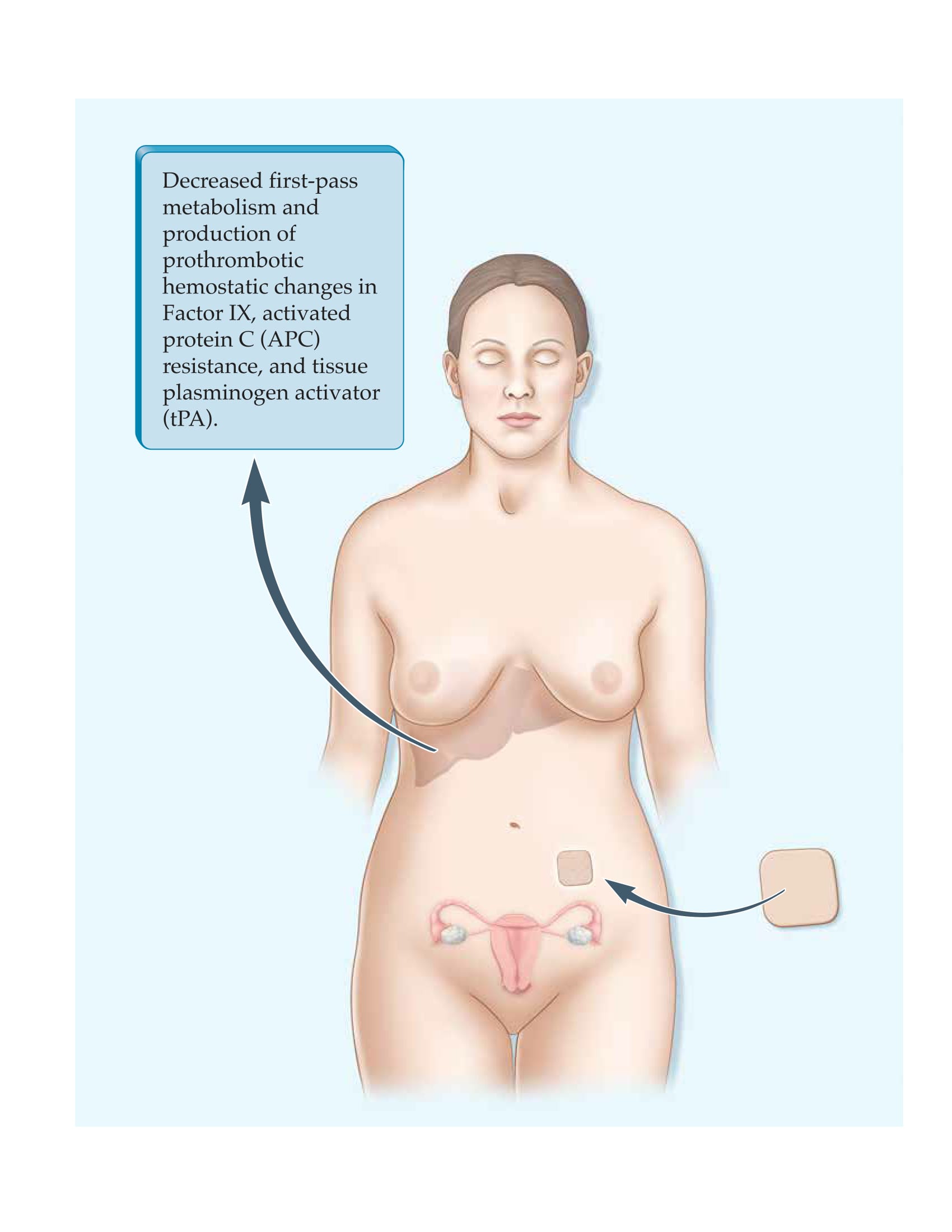
- New evidence supporting or refuting lifestyle and non-prescription treatment for menopause
- Further data on the efficacy, risks, and benefits on current hormonal replacement therapy
- New FDA approved and non-approved hormonal and non-hormonal therapy available to treat symptoms of menopause
- Physician guides for the management of menopausal symptoms
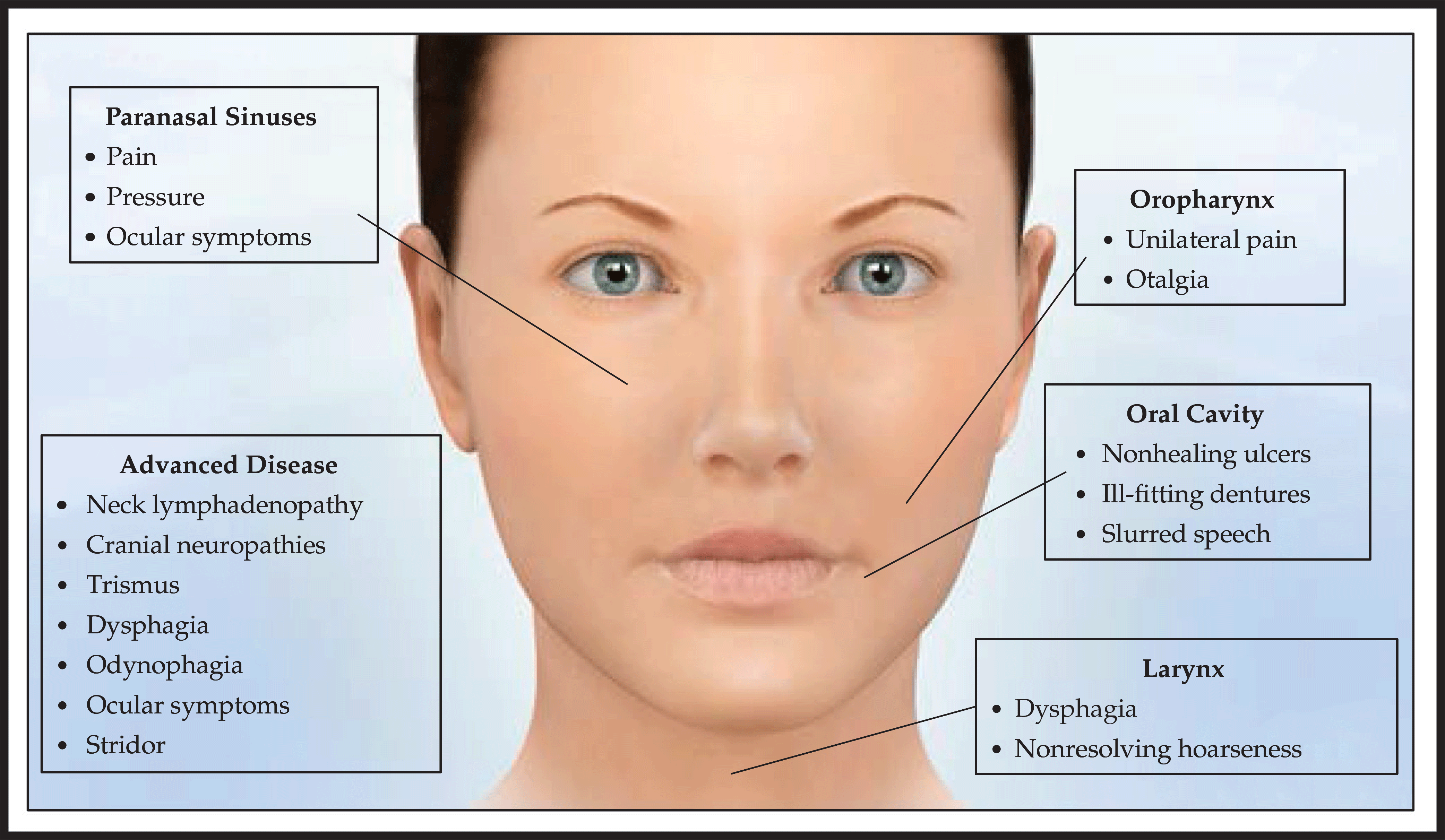
- The human papillomavirus (HPV) is increasingly being identified as an etiology for head and neck cancer arising from the oropharynx. These tumors usually present in younger patients, frequently lack risk factors such as alcohol and tobacco, and have improved outcomes compared with HPV-negative head and neck cancer.
- Clinical trials are currently evaluating whether treatment deescalation for HPV-associated head and neck cancer will produce similar outcomes in the curative setting.
- Chemoradiotherapy using low-dose cisplatin and radiation remains the standard of care for locally advanced head and neck cancer.
- Immunotherapy drugs are showing great promise as potential therapeutic agents for metastatic head and neck cancer. Both pembrolizumab and nivolumab have been approved for platinum-refractory metastatic disease. Clinical trials evaluating combination immunotherapy and immunotherapy in the curative setting are currently under way.








.png)