- Detailed physiology of acid-base homeostasis to provide a clearer understanding of the pathophysiology of acid-base disorders
- Updated information on the treatment of metabolic acidosis, including the use of tromethamine and bicarbonate
Latest Updates

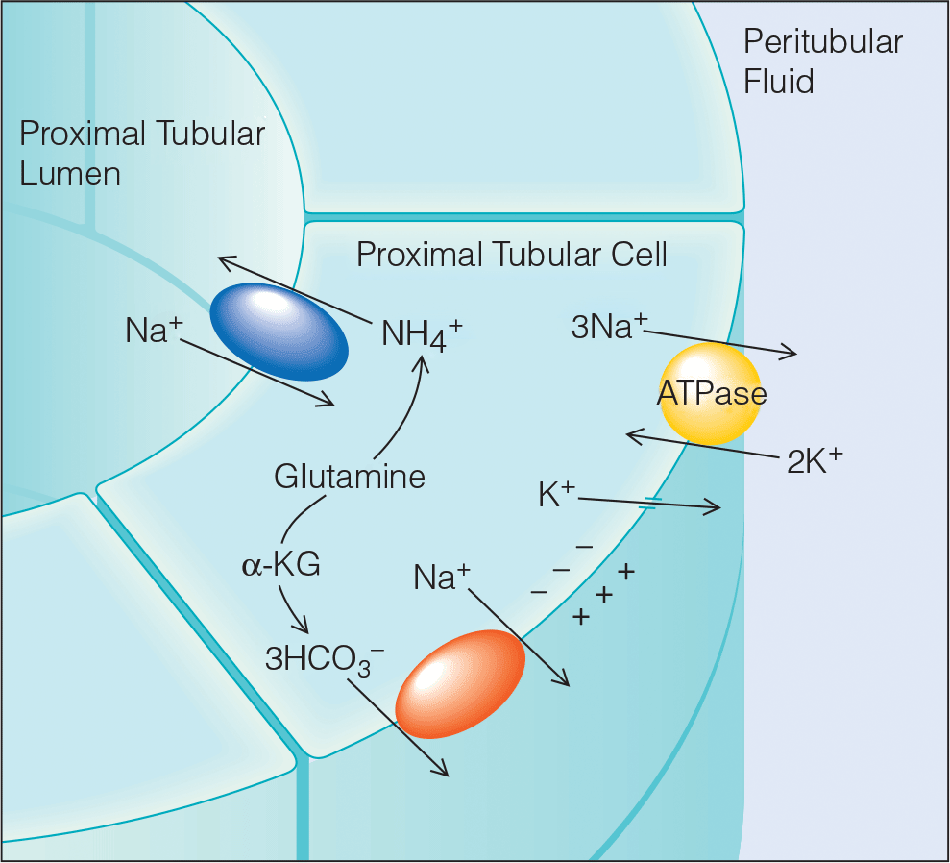

- Detailed physiology of acid-base homeostasis to provide a clearer understanding of the pathophysiology of acid-base disorders
- Updated information on the treatment of metabolic acidosis, including the use of tromethamine and bicarbonate

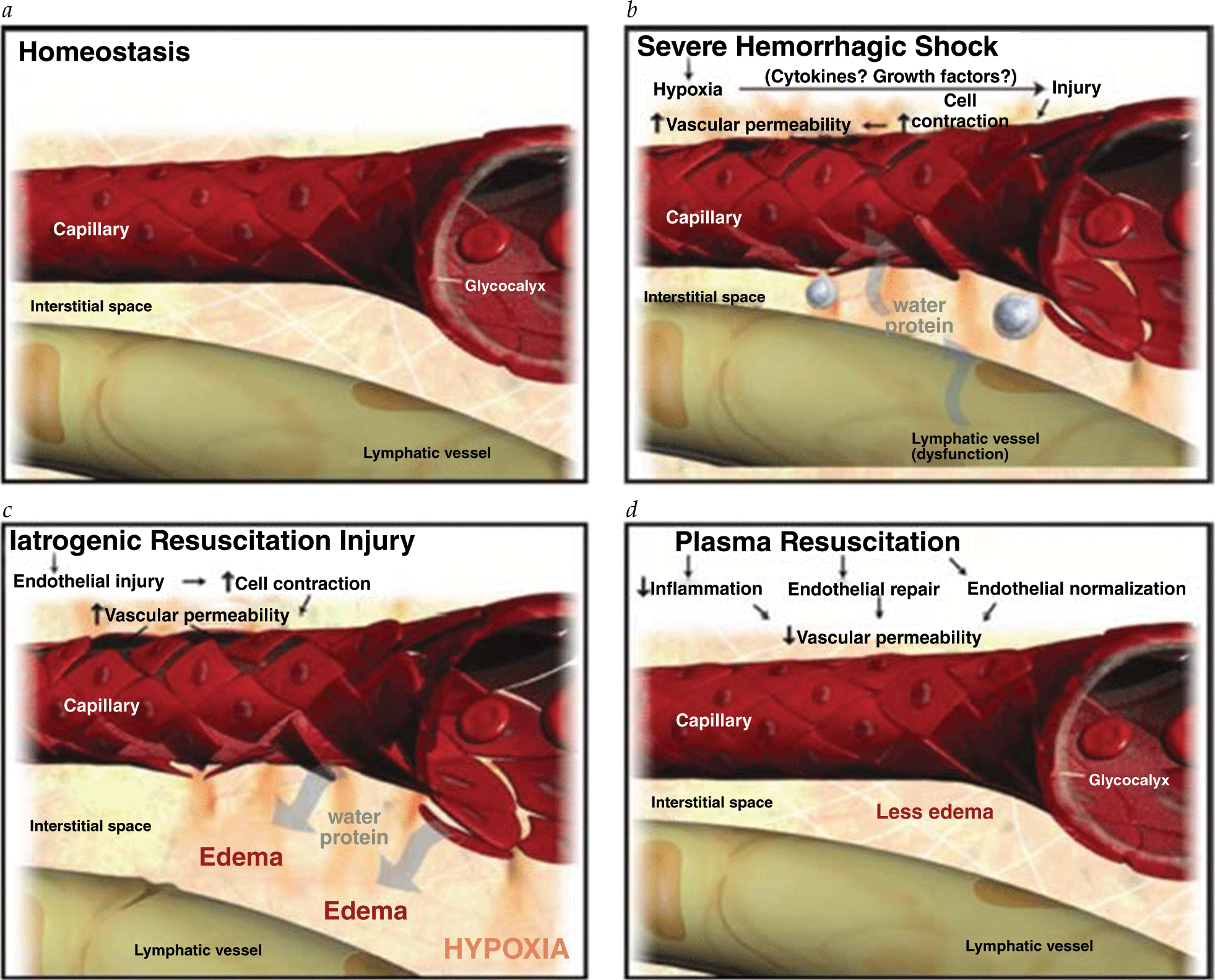
- The Committee on Trauma of the American College of Surgeons (ACS-COT) mandates that high-level trauma centers develop a predefined MTP that can be activated to quickly transfuse rapidly hemorrhaging patients. Early activation of a predefined MTP is associated with more efficient use of blood products (reducing waste) and improved patient outcomes. However, early identification of the bleeding patient remains a challenge.
- Viscoelastic assays such as thromboelastography (TEG) and rotational thromboelastometry (ROTEM) assess the coagulation profile of a whole blood sample. Significantly, different parameters derived from the TEG and ROTEM tracings are related to different components of coagulation, enabling targeted correction of abnormalities.
- Although it seems natural and intuitive to follow the same protocol to treat patients with substantial nontraumatic hemorrhage, there is little scientific evidence to support this practice. Of the few studies investigating optimal blood product ratios of nontraumatic hemorrhage available in the literature, MT was unfortunately defined using the outdated criterion of 10 RBC units or more in 24 hours, which, as we have previously stated, is fraught with survivor bias.
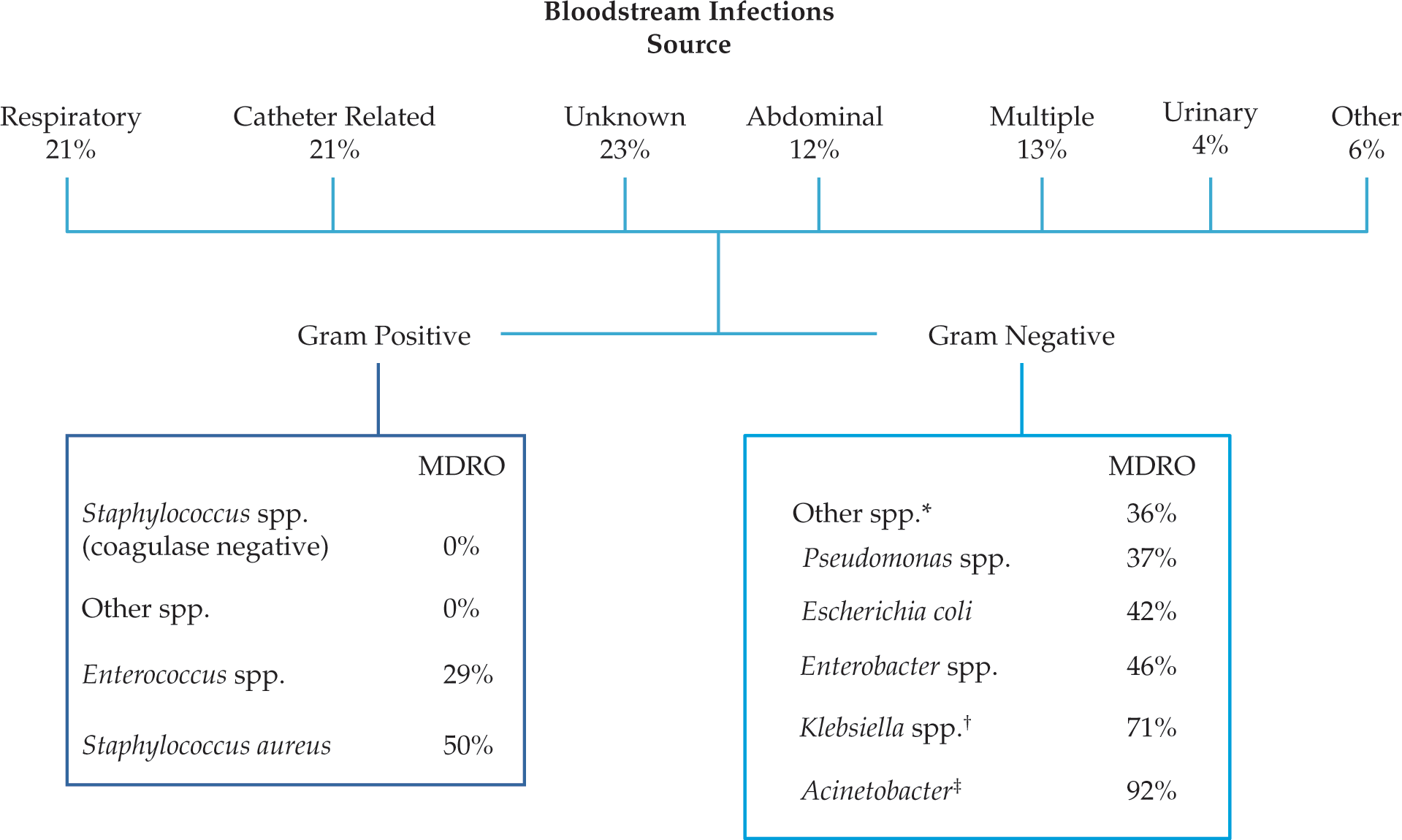
- The resistance by extended-spectrum β-lactamases (ESBLs) is mediated by plasmids that spread microbial resistance across bacterial species and confer additional resistance to fourth-generation cephalosporins.
- Current guidelines from the IDSA provide a comprehensive approach for the clinician evaluating and managing a bacteremic patient with short-term venous catheters, arterial catheters, long-term central venous catheters, or ports, taking into consideration the patient’s clinical status and the organism recovered.
- Vancomycin is the first-line antibiotic for MRSA pneumonia; however, adequate dosing, monitored by drug levels, is required to ensure both efficacy and safety, especially in patients with renal insufficiency. Linezolid, although not superior to vancomycin, may be preferable for patients with renal insufficiency.

- The resistance by extended-spectrum β-lactamases (ESBLs) is mediated by plasmids that spread microbial resistance across bacterial species and confer additional resistance to fourth-generation cephalosporins.
- Current guidelines from the IDSA provide a comprehensive approach for the clinician evaluating and managing a bacteremic patient with short-term venous catheters, arterial catheters, long-term central venous catheters, or ports, taking into consideration the patient’s clinical status and the organism recovered.
- Vancomycin is the first-line antibiotic for MRSA pneumonia; however, adequate dosing, monitored by drug levels, is required to ensure both efficacy and safety, especially in patients with renal insufficiency. Linezolid, although not superior to vancomycin, may be preferable for patients with renal insufficiency.
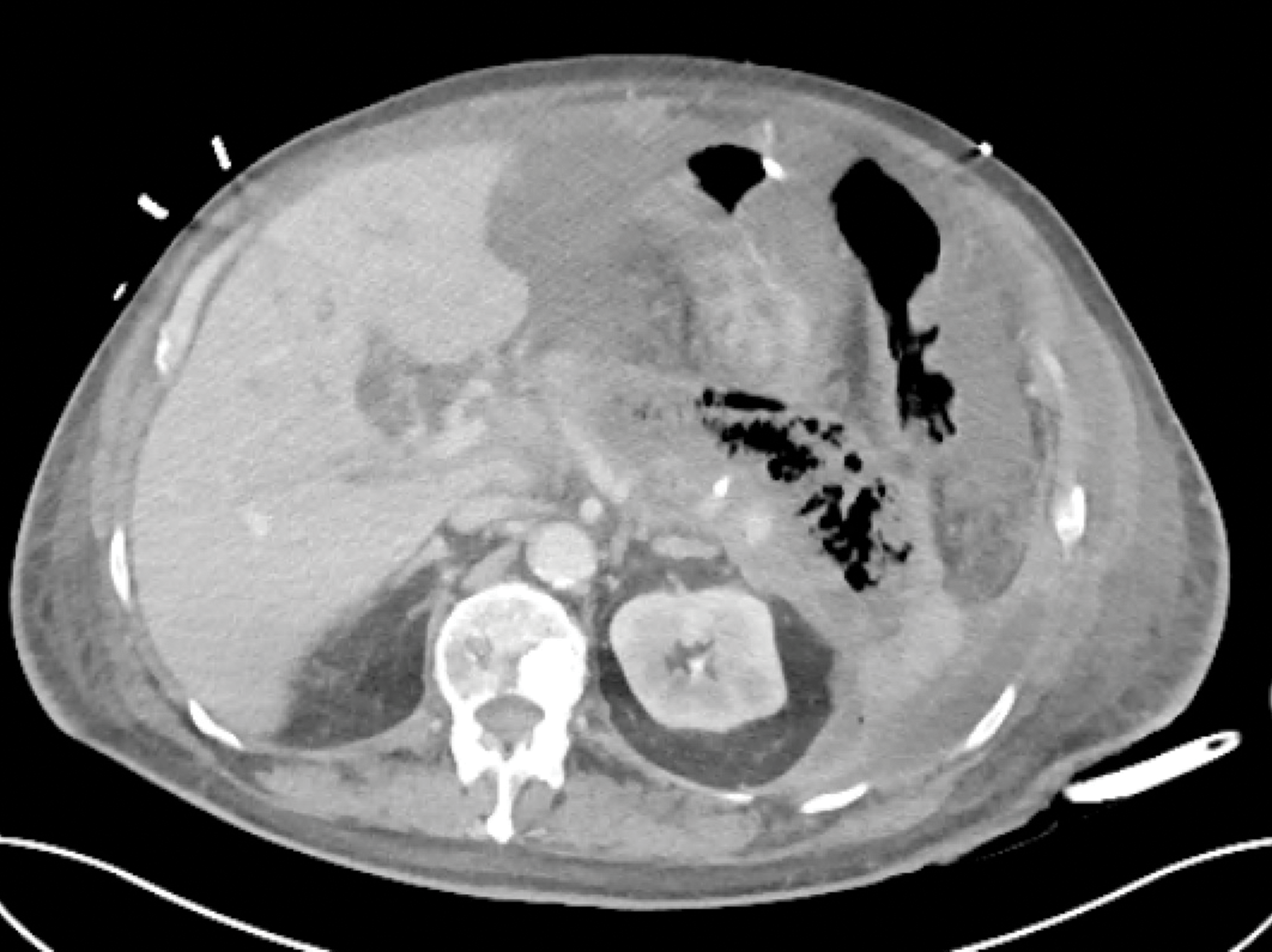
- The mortality for severe acute pancreatitis is 15 to 30%; however, the overall mortality for all patients with acute pancreatitis is less than 5%. Over the last several decades, mortality related to acute pancreatitis has decreased substantially, which likely reflects improved critical care and better strategies for operative management.
- Recent guidelines identify the SIRS criteria as the best and most pragmatic predictor of severe acute pancreatitis at admission and at 48 hours. A 1991 consensus committee first coined the term SIRS as the clinical manifestation of the hypermetabolic response to infection or a noninfectious insult. SIRS criteria include (1) temperature greater than 38°C (100.4°F) or less than 36°C (96.8°F); (2) heart rate greater than 90 beats/min; (3) tachypnea with a respiratory rate greater than 20 breaths/min or hyperventilation with arterial carbon dioxide tension (PaCO2) less than 32 mm Hg; and (4) a white blood cell count greater than 12,000/µL or less than 4,000/µL or greater than 10% immature neutrophils (“bands”).
- The optimal strategy for intervention in patients with confirmed infected necrotizing pancreatitis is initial image-guided percutaneous retroperitoneal catheter drainage or endoscopic transluminal drainage, followed, when necessary, by minimally invasive endoscopic or surgical necrosectomy.

- Until recently, it was thought that chromosomal translocations are very uncommon in carcinomas occurring in adults. However, a series of studies have now demonstrated that the majority of prostate carcinomas harbor translocations between genes encoding one of two ETS-related transcription factors, ERG or ETV1, and the androgen-regulated gene TMPRSS2.
- Exposure to ionizing radiation is another cause of cancer linked directly to genetic damage. The incidence of leukemias and various solid tumors in atomic bomb survivors provided data for classic studies of radiation dosage and its consequences. More recent data derive from cancer cases arising as a late complication of radiation therapy or radiomimetic chemotherapy used for treatment of an initial malignancy.
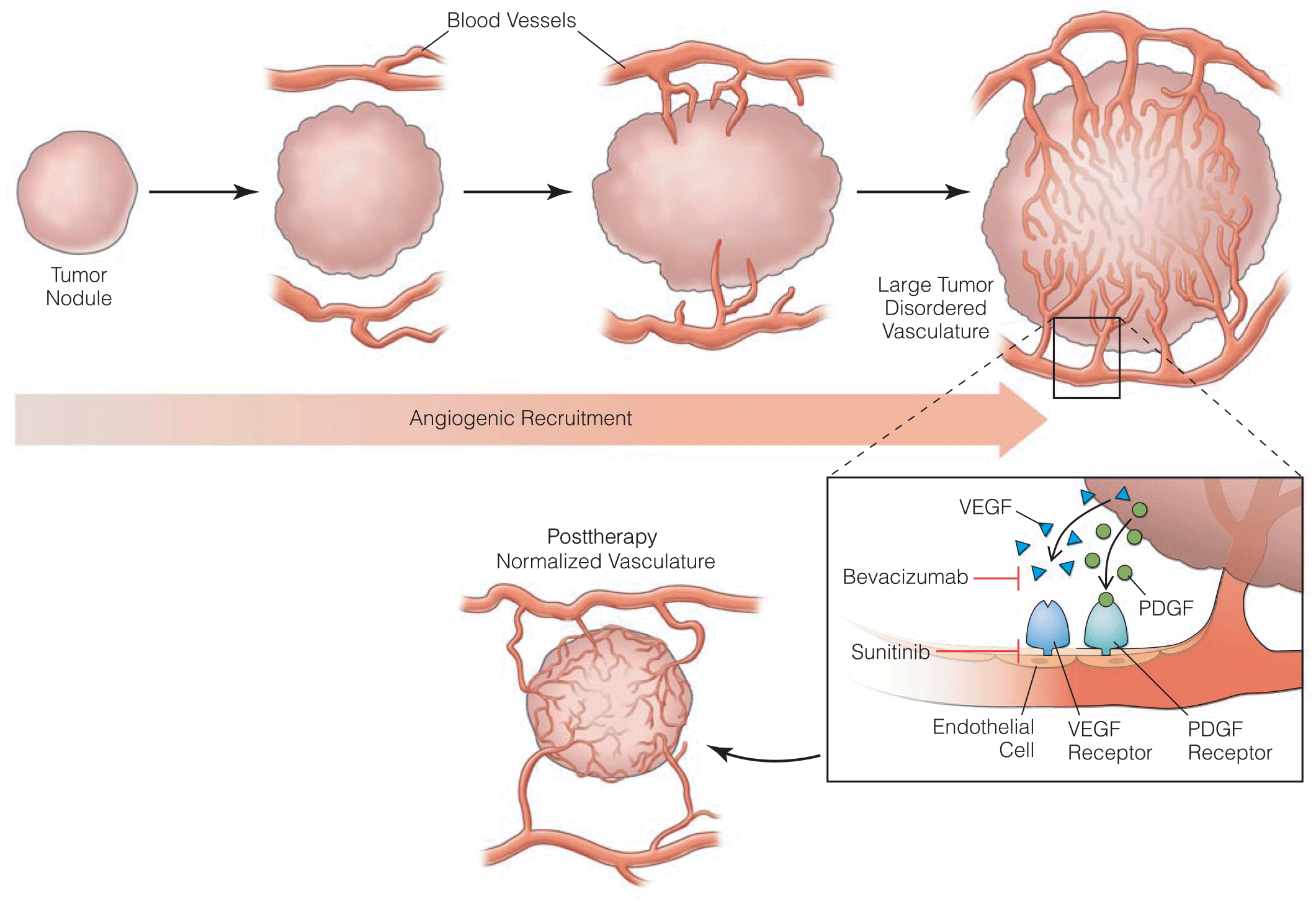
- In addition to general metastasis promoters, recent studies have begun to uncover factors that mediate metastasis to specific organs such as lung and bone. A critical property required for the growth of cancers beyond a minimal size is the recruitment of blood vessel.
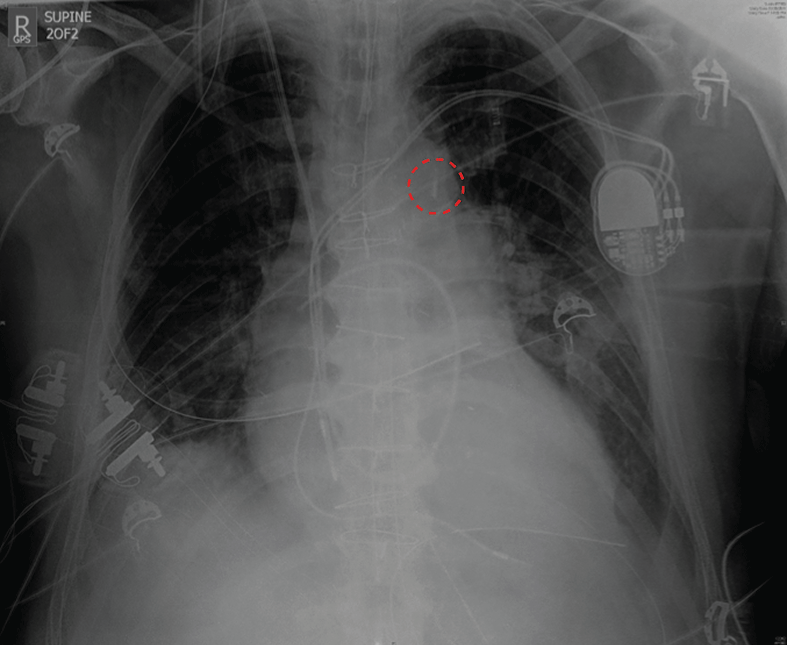
- Intra-aortic balloon counterpulsation in cardiac surgery
- Short-term percutaneous and surgically placed devices for circulatory support
- Long-term continuous-flow left ventricular assist devices in the treatment of chronic heart failure
- Extracorporeal membrane oxygenation (ECMO) for the treatment of acute heart failure and cardiogenic shock
- ECMO applications in the setting of advanced cardiac life support, or extracorporeal life support








.png)